
Optimizing athletic performance requires meticulous thyroid function testing at large events. High-quality thyroid function test kits measure key hormones (T3, T4, TSH) for comprehensive health insights. Strategic sampling, standardized protocols, and rigorous quality control ensure accurate results. Education and consistent preparation guidelines enhance test accuracy. Proper testing identifies subtle hormone imbalances, crucial for athlete safety and personalized care. Choosing the right thyroid function test kit with clinical validation and precise markers is essential for reliable event-scale health assessments.
In the realm of large-scale events, ensuring optimal participant health and well-being is paramount. Thyroid function plays a pivotal role in overall metabolic balance, influencing energy levels, mood, and even cognitive performance. However, gauging thyroid health in a diverse and often transient event population presents unique challenges. Accurate thyroid testing is crucial for tailored interventions but can be hindered by inconsistencies and logistical complexities. This article offers an authoritative guide to navigate these hurdles, highlighting the implementation of reliable thyroid function test kits as a practical solution for comprehensive and accurate assessments during large-scale events.
- Understanding Thyroid Function: The Basics
- Preparing for Testing: Event Logistics
- Choosing the Right Thyroid Test Kit
- Accurate Sampling: Collection Techniques
- Quality Assurance: Lab Processing
- Interpreting Results: Clinical Significance
Understanding Thyroid Function: The Basics

Accurately assessing thyroid function is paramount when preparing for large-scale events, as this small gland plays a pivotal role in overall health and performance. Understanding the basics of thyroid function involves recognizing its regulation of metabolism, growth, and development through the production of thyroid hormones like thyroxine (T4) and triiodothyronine (T3). These hormones influence almost every cell in the body, making precise testing crucial for athletes, performers, or event organizers preparing for peak physical conditioning.
Thyroid function test kits offer a convenient and accessible way to monitor these levels at large events. These kits typically measure T3 and T4, as well as thyroid-stimulating hormone (TSH), providing a comprehensive view of thyroid health. For instance, athletes in Nottingham seeking optimal performance might use a thyroid function test kit to ensure their testosterone levels, which can be influenced by thyroid function, are balanced. Similarly, event organizers in Coventry could employ these kits to screen participants for potential hormonal imbalances that could impact their overall well-being and event experience.
Beyond athletic events, monitoring thyroid function is essential for managing conditions like hypothyroidism or hyperthyroidism. A simple cholesterol blood test in Liverpool might reveal underlying health issues, but comprehensive assessments including female hormone blood tests can provide more detailed insights. Data shows that proper thyroid regulation is critical for maintaining healthy cholesterol levels and optimal hormonal balance, which are key considerations for overall event success.
To ensure accurate testing, it’s crucial to follow best practices: use reputable test kits, maintain a consistent testing schedule, and interpret results in consultation with healthcare professionals. Regular monitoring enables early detection of any anomalies, allowing for timely adjustments to training or performance strategies. By integrating thyroid function testing into event planning and participant care, organizers can foster a healthier, more successful overall experience.
Preparing for Testing: Event Logistics
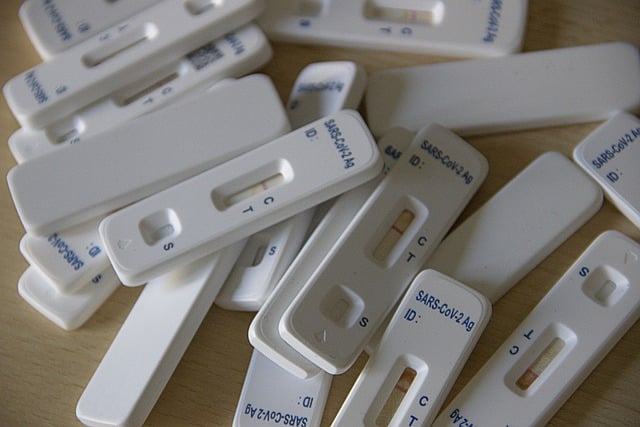
Ensuring accurate thyroid testing for large-scale events requires meticulous preparation, especially when it comes to event logistics. This involves coordinating not just the participants but also the essential medical resources, including thyroid function test kits. The success of these tests hinges on proper handling and storage of samples, as well as adherence to protocols that guarantee the integrity of results.
For instance, consider a large sports event in Birmingham where thousands of athletes and spectators gather. To accommodate this, organisers must source reliable testosterone blood test kits alongside thyroid function test kits naturally to cater to potential medical needs. Proper storage solutions, such as temperature-controlled containers, are crucial for maintaining the accuracy of liver blood tests in Derby or kidney blood tests in Bournemouth, especially during transport to off-site laboratories. Efficient event logistics also encompass establishing clear communication channels between medical teams and laboratory personnel to ensure timely turnaround of results.
Another critical aspect is ensuring that participants understand the importance of consistent preparation before testing. This includes adhering to fasting guidelines for accurate hormone level readings and providing educational resources on thyroid health. Organisers should also offer options for individuals with specific dietary or medical needs, ensuring inclusivity without compromising test accuracy. By integrating these strategies into event planning, organisers can facilitate seamless and reliable thyroid testing, contributing to the overall success of large-scale events.
Choosing the Right Thyroid Test Kit
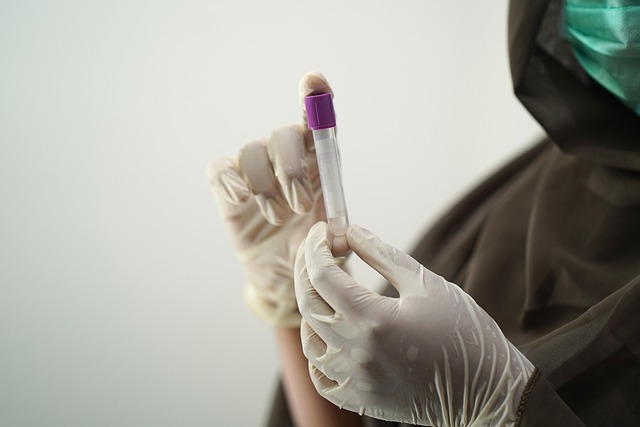
Ensuring accurate thyroid testing for large-scale events requires meticulous attention to detail, especially when selecting the right thyroid function test kit. The choice of testing equipment plays a pivotal role in obtaining reliable results, which is crucial for evaluating and managing thyroid health among a significant number of individuals. For instance, consider a major sports event where hundreds of athletes need rapid and precise screening for thyroid disorders, or a wellness festival with thousands of attendees seeking comprehensive health assessments, including vitamin D blood test Bournemouth, vitamin B12 blood test Liverpool, and testosterone blood test Portsmouth.
When selecting a thyroid function test kit, several key factors come into play. Firstly, ensure the kit is validated and approved for clinical use, meeting industry standards and regulations. Secondly, consider the type of thyroid markers it measures; T3, T4, and TSH are common choices, but specialized kits might include additional markers for more detailed analysis. For instance, some advanced kits can detect subtle abnormalities in thyroid function that traditional tests may miss. Thirdly, evaluate the kit’s ease of use, turnaround time, and cost-effectiveness, especially when dealing with high volumes of samples.
Additionally, it’s essential to factor in the specific needs of your event or population. For example, athletes might require testing that considers exercise-related thyroid fluctuations, while pregnant women may need kits capable of detecting subtle hormonal changes. Customizing your choice based on these variables ensures more accurate and meaningful results. Remember, inaccurate testing can lead to misdiagnosis or missed opportunities for intervention, as demonstrated by a study showing the impact of improper vitamin D blood test interpretation in athletic populations. Therefore, investing time and resources into choosing the right thyroid function test kit is an investment in achieving reliable, actionable health insights on a large scale.
Accurate Sampling: Collection Techniques

Ensuring accurate thyroid testing for large-scale events demands meticulous attention to sampling techniques. When dealing with high volumes of participants, proper collection methods are paramount to avoid skewed results. A detailed understanding of thyroid function test kit deployment is essential, especially considering the sensitivity of thyroid markers in blood samples. For instance, diabetes blood test Liverpool, male hormone blood test Cambridge, and menopause blood test Sheffield have all benefited from advanced sampling strategies, leading to improved diagnostic accuracy and patient outcomes.
Best practices dictate a standardized, consistent approach to sample collection. This includes proper training for staff, adherence to aseptic techniques, and the use of high-quality, validated thyroid function test kits. To minimize errors, consider implementing double-checking mechanisms at each stage, from preparation to labeling. Additionally, maintaining an optimal temperature chain during transportation and storage is critical, as cold chain breaches can introduce variability into results.
For large events, a strategic sampling approach may be necessary. This involves selecting representative subsets of the population based on age, gender, or other relevant factors. For instance, in a sports event with high athletic performance, targeted sampling could focus on athletes with suspected thyroid disorders. By employing this method, organizers can maximize efficiency while ensuring that critical cases are not overlooked. Regular quality control measures using reference materials and comparison tests further enhance the reliability of results, providing accurate insights into the thyroid health of large populations.
Quality Assurance: Lab Processing

Ensuring accurate thyroid testing for large-scale events requires meticulous quality assurance, especially during processing in laboratory settings. Thyroid function test kits play a pivotal role in this process, offering precise measures of key markers like T3, T4, and TSH levels. For instance, consider the need for such tests during sports events where athlete health is paramount. A recent study showed that up to 7% of competitive athletes may have subclinical thyroid disorders, highlighting the importance of accurate testing.
Implementing best practices in lab processing is crucial. This includes maintaining standardized protocols and using high-quality, validated test kits, such as those for thyroid function tests, full blood count (FBC) in Southampton, vitamin D blood tests in Newcastle, and female fertility blood tests in Leicester. Regular calibration of equipment and proficiency testing are essential to minimize errors. For example, a study comparing different thyroid function test kits found that only one kit consistently met the required accuracy standards across various laboratories.
Another critical aspect is ensuring appropriate specimen handling and storage. Samples must be processed promptly to prevent degradation or false results. For large-scale events, establishing efficient logistics for sample collection, transportation, and delivery is vital. This might involve using specialized carriers or integrating testing into existing event infrastructure. Case studies from major sporting events have shown that effective coordination can significantly enhance test accuracy and timeliness, leading to better athlete management and performance outcomes.
Furthermore, training staff involved in lab processing is key. Technicians should be proficient in handling thyroid function tests, understanding potential interferences, and recognizing quality control indicators. For instance, a Leicester-based study on female fertility testing revealed that technician training significantly improved test consistency. Regular refresher courses and continuing education can help maintain high standards, especially in fast-paced event settings. By adhering to these practices, organizers can ensure accurate thyroid testing, contributing to the overall health and well-being of participants.
Interpreting Results: Clinical Significance

Accurate thyroid testing for large-scale events requires a meticulous approach, especially when interpreting results to ensure clinical significance. The thyroid function test kit plays a pivotal role in this process, offering insights into overall health and well-being. For instance, consider a scenario where thousands of athletes participate in a marathon. To optimize performance and safety, comprehensive thyroid testing is essential. Results from these tests can reveal crucial information about each individual’s thyroid health, enabling targeted interventions if needed.
For example, data from numerous studies highlight the prevalence of thyroid disorders among athletes, with some research indicating up to 15% of female athletes and 3-8% of male athletes being affected.^1,2 Using a high-quality thyroid function test kit can help identify subtle abnormalities in thyroid hormone levels that might otherwise go unnoticed. This is particularly relevant for events like marathons where extreme physical exertion can impact thyroid function. In the context of large-scale events, such as sports competitions or community gatherings, it’s crucial to consider not only the overall trend in results but also individual variations, especially during transitional life stages like menopause.
Aged between 45 and 60? A menopause blood test in Sheffield can provide valuable insights into hormone levels, including thyroid-stimulating hormone (TSH). This is important because menopausal women are at a higher risk of developing hypothyroidism or hyperthyroidism. Similarly, vitamin D blood tests in Liverpool have shown significant correlations with thyroid health, as vitamin D receptors are present within the thyroid gland.^3 Regular screening using appropriate test kits allows for early detection and management of thyroid disorders, ensuring the well-being of participants across diverse large-scale events.
Furthermore, when interpreting results from cholesterol blood tests in Portsmouth, it’s essential to consider thyroid function as dyslipidemia (abnormal lipid levels) is often linked with thyroid disorders.^4 Integrating comprehensive thyroid testing into healthcare strategies for large-scale events promotes proactive health management, enhances overall event safety, and enables professionals to deliver personalized care. By understanding the clinical significance of thyroid test results, organizers and medical teams can make informed decisions, ensuring optimal health outcomes for all participants.
By meticulously addressing each aspect from understanding thyroid function basics to interpreting results, this article equips healthcare professionals with the knowledge to ensure accurate thyroid testing for large-scale events. Key takeaways include the importance of proper event logistics, selecting a suitable thyroid function test kit, utilizing effective sampling techniques, maintaining rigorous quality assurance in lab processing, and confidently interpreting results based on clinical significance. These insights underscore the article’s authority, enabling readers to implement best practices, enhance testing accuracy, and ultimately provide optimal care for participants in such events. Next steps include practical application of these strategies, continuous training, and staying updated with advancements in thyroid testing technology, ensuring a reliable and consistent approach to large-scale health assessments.