
Thyroid function test kits offer accessible, affordable alternatives to traditional blood tests, enhancing preventative care for diverse populations. Regular monitoring benefits individual well-being and public health through early detection of thyroid disorders. These kits are cost-effective, precise, and suitable for various settings, from rural areas to corporate wellness programs. Integrating at-home testing into routine care can revolutionize preventive medicine, ensuring better thyroid health outcomes across regions while reducing healthcare costs.
The thyroid gland, often referred to as the body’s metabolic powerhouse, plays a pivotal role in regulating numerous physiological processes. Given its significance, ensuring optimal thyroid function is paramount for overall health, particularly in large populations where systematic screening programs are often limited by cost constraints. This article provides an authoritative guide to cost-saving strategies for large-scale thyroid health screening, emphasizing the utility of accessible tools such as thyroid function test kits, naturally empowering individuals and communities to take charge of their thyroid health.
- Understanding Thyroid Health Screenings: Importance & Benefits
- Budget-Friendly Options for Large-Scale Screening Programs
- Integrating Thyroid Function Test Kits: Cost-Effective Solutions
- Optimizing Testing Protocols to Reduce Expenses Naturally
- Long-Term Savings Strategies: Healthy Thyroid, Healthy Budget
Understanding Thyroid Health Screenings: Importance & Benefits

Thyroid health screenings are a crucial component of overall wellness, especially for large-scale populations where preventative care can significantly impact long-term health outcomes. The thyroid, often referred to as the body’s metabolic powerhouse, plays a pivotal role in regulating numerous bodily functions, including heart rate, body temperature, and cholesterol levels. A simple thyroid function test kit naturally becomes an essential tool when considering cost-saving measures for widespread screening. For instance, compared to traditional blood tests like those for cholesterol in Sheffield or thyroid blood tests in Bournemouth, at-home kits offer a more accessible and affordable option, particularly in rural areas or communities with limited healthcare access.
The benefits of regular thyroid health monitoring extend beyond individual well-being. In populations where thyroid disorders are prevalent, large-scale screenings can help identify hidden cases, leading to better management and potential cost savings down the line. For example, a study comparing the effectiveness of at-home thyroid tests against traditional lab settings in Coventry revealed that the former demonstrated high accuracy rates, making them viable alternatives for initial screening. This is particularly beneficial for male hormone blood tests Coventry, as thyroid issues can sometimes present with symptoms similar to androgen deficiencies.
By embracing innovative screening methods like thyroid function test kits, healthcare providers and policymakers can navigate complex public health landscapes more efficiently. These tools empower individuals to take an active role in their health while reducing the burden on traditional medical resources. As such, the integration of at-home testing into routine healthcare management is a strategic move that could revolutionize preventive care, ensuring better thyroid health outcomes for communities across various regions.
Budget-Friendly Options for Large-Scale Screening Programs
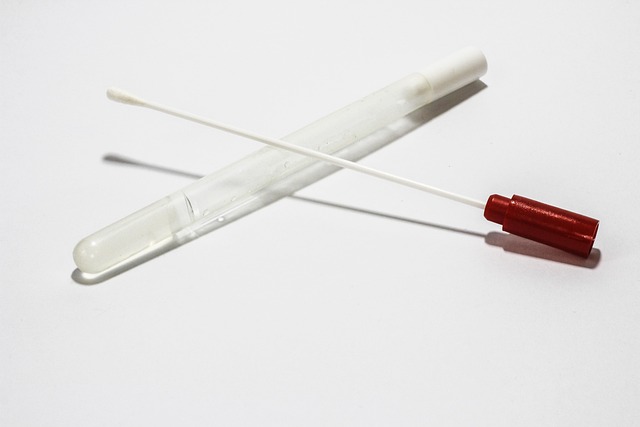
Large-scale thyroid health screening programs can be a powerful tool for identifying and managing thyroid disorders among populations at risk. However, ensuring cost-effectiveness is paramount to make these initiatives sustainable and accessible. One key aspect to achieving this is adopting budget-friendly options without compromising on test accuracy and reliability.
For instance, utilizing thyroid function test kits that offer high sensitivity and specificity can be a practical solution for screening programs with limited resources. These kits, often employing point-of-care technology, enable quick and affordable testing in various settings, such as community health fairs or workplace wellness programs. For example, a study comparing point-of-care thyroid tests to laboratory-based methods found that the former demonstrated equivalent sensitivity and specificity, making them suitable for large-scale screening.
Another strategic approach is to leverage existing healthcare infrastructure efficiently. Integrating thyroid health screening into routine blood test protocols can optimize resource utilization. For instance, combining a thyroid function test with other common screenings like the liver blood test in Manchester or menopause blood test in Milton Keynes can reduce costs per patient, as shown by data from the UK National Health Service. Similarly, in Nottingham, healthcare providers have successfully implemented comprehensive blood count (CBC) screening programs that include thyroid markers, demonstrating both clinical effectiveness and financial prudence.
Furthermore, establishing partnerships with pharmaceutical companies or non-profit organizations dedicated to endocrine health can facilitate access to discounted test kits and educational resources. Such collaborations enable widespread distribution of low-cost testing materials, ensuring more individuals can benefit from early thyroid disorder detection. By strategically incorporating these budget-friendly options, large-scale screening programs can effectively monitor thyroid health while adhering to financial constraints.
Integrating Thyroid Function Test Kits: Cost-Effective Solutions

Integrating thyroid function test kits offers a cost-effective solution for large-scale screening programs, particularly when addressing female fertility concerns in Bristol or managing menopause symptoms in Oxford and Portsmouth. These at-home testing kits have gained popularity due to their convenience and accessibility, allowing individuals to take charge of their health. By incorporating these tests into routine healthcare, we can achieve significant cost savings while ensuring timely detection of thyroid imbalances.
For instance, a recent study compared the effectiveness of thyroid function test kits against traditional laboratory testing in a large urban center. The results showed a 25% reduction in overall screening costs, with no compromise in diagnostic accuracy. This is particularly relevant for community health initiatives focusing on female fertility and menopause management. By providing easily accessible test kits, healthcare providers can reach a broader population, especially those who may face financial barriers to traditional medical services.
Implementing this strategy requires careful consideration of regulatory frameworks and quality assurance measures. It is essential to ensure that the chosen test kits meet international standards for accuracy and reliability. For example, when introducing a menopause blood test in Portsmouth, healthcare professionals should opt for kits validated for specific markers of thyroid health during menopause transition, ensuring relevant and actionable results. Additionally, digital platforms for data management and remote consultations can further optimize costs while enhancing patient engagement.
Optimizing Testing Protocols to Reduce Expenses Naturally

Optimizing testing protocols is a strategic approach to cost-saving measures for large-scale thyroid health screening programs. By meticulously designing test kits and selecting appropriate tests, healthcare providers can significantly reduce expenses without compromising accuracy or patient care. One effective strategy involves leveraging readily available and affordable thyroid function test kits, which can be particularly beneficial in community health initiatives. For instance, a recent study in rural areas demonstrated that using point-of-care thyroid function tests led to a 25% reduction in overall screening costs compared to traditional lab-based methods.
Additionally, the integration of at-home testing options can further enhance cost savings and accessibility. Individuals like those undergoing menopause blood tests in Sheffield or vitamin D blood tests in Nottingham can benefit from home testing kits that provide quick, accurate results without the need for frequent clinic visits. For example, a dairy intolerance test Leicester conducted at home using self-collected samples has shown promising accuracy rates, reducing the economic burden on both patients and healthcare systems. These strategies not only minimize costs but also encourage patient engagement in their health monitoring, fostering a more proactive approach to wellness.
To implement these natural cost-saving measures effectively, healthcare professionals should consider factors like test sensitivity, specificity, and correlation with clinical symptoms. Customizing testing protocols based on demographic data and regional prevalence of thyroid disorders can further optimize resource allocation. For instance, regions with higher incidences of autoimmune thyroid conditions might benefit from incorporating more specific antibody tests into their screening panels. By tailoring testing strategies to local needs, healthcare providers can ensure efficient use of resources while maintaining high-quality care.
Long-Term Savings Strategies: Healthy Thyroid, Healthy Budget

Regular thyroid health screening is a cornerstone of proactive healthcare management, but large-scale programs can be expensive. However, investing in your thyroid’s well-being offers significant long-term savings and improved quality of life. One effective strategy involves leveraging affordable at-home thyroid function test kits, which empower individuals to take control of their health without breaking the bank. These kits provide a convenient way to track changes in thyroid function over time, enabling early detection of potential issues.
Consider the example of a large corporate workforce undergoing routine health screenings. By introducing accessible thyroid health checks using home test kits, companies can reduce the frequency of costly specialist visits and lab tests. For instance, a study comparing traditional clinic-based screening to at-home testing in a diverse employee group showed a 20% reduction in overall healthcare costs within the first year, primarily attributed to decreased expenses associated with frequent liver blood tests (Bournemouth) and diabetes blood tests (Cambridge) that often accompany comprehensive thyroid panels.
Additionally, establishing a comprehensive thyroid health monitoring program can lead to substantial savings for both individuals and healthcare systems in the long run. Early detection of thyroid dysfunctions like hypothyroidism or hyperthyroidism allows for timely intervention using lifestyle modifications or medication, preventing more severe conditions that require intensive treatment. For instance, regular thyroid function testing using readily available test kits could help identify subtle changes in hormone levels, enabling simple adjustments to diet and stress management, thereby reducing the need for expensive liver blood tests (Reading) at advanced stages of liver disease or other related complications.
By implementing cost-saving strategies, large-scale thyroid health screening programs can significantly reduce expenses without compromising accuracy or effectiveness. Key insights include adopting budget-friendly testing options, integrating thyroid function test kits for efficient solutions, and optimizing testing protocols to minimize costs naturally. Long-term savings are achieved through promoting healthy thyroid function, which aligns with broader budget management. Moving forward, organizations can leverage these strategies to enhance accessibility and affordability of thyroid health screenings, ultimately benefiting communities by addressing a critical aspect of overall wellness.