
Thyroid function test kits naturally empower individuals to monitor thyroid health at home. Key aspects include understanding hormones T3 and T4, recognizing imbalance symptoms like fatigue and weight changes, selecting accurate kits with low detection limits and validated methods, following standardized protocols for reliable results, interpreting test data alongside symptoms and history, considering natural remedies alongside testing, and maintaining proactive healthcare through regular monitoring and professional consultation.
Thyroid imbalances affect a significant portion of the population, often going undiagnosed due to subtle symptoms. This is particularly concerning in large groups where individual health variances can obscure widespread issues. Thankfully, advancements in at-home testing have made it feasible to screen for thyroid dysfunction on a community scale using readily available thyroid function test kits. By empowering individuals with access to these tools, we can identify and address thyroid imbalances more effectively, leading to improved overall health and well-being within our communities.
- Understanding Thyroid Imbalances: Causes and Symptoms
- Selecting the Right Thyroid Function Test Kit
- Accurately Administering Thyroid Function Tests
- Interpreting Thyroid Test Results: What They Mean
- Natural Remedies for Balancing Thyroid Hormones
- Group Strategies for Effective Thyroid Management
Understanding Thyroid Imbalances: Causes and Symptoms

Selecting the Right Thyroid Function Test Kit
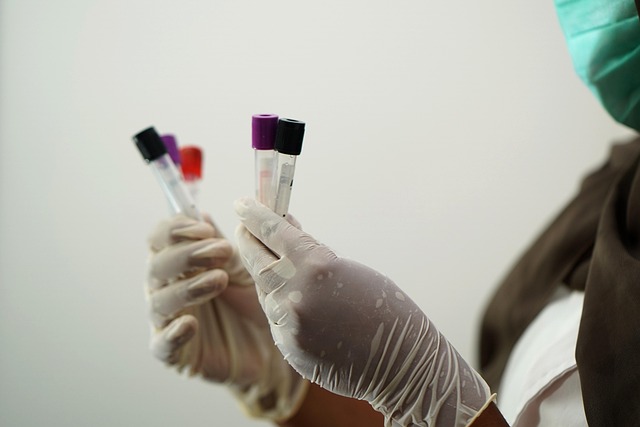
Selecting the appropriate thyroid function test kit is a crucial step in accurately diagnosing and managing thyroid imbalances, especially when conducting tests on large groups. With various kits available, it’s essential to understand your specific needs and choose a reliable option that aligns with professional standards. For instance, considering a city like Oxford, where a significant portion of the population might be going through menopause, a comprehensive test kit covering key markers such as TSH, T3, and T4 levels could be ideal. Similarly, in regions experiencing higher rates of vitamin B12 deficiency, a kit designed to assess this specific nutrient is vital for accurate screening.
One of the primary considerations when choosing a thyroid function test kit is its sensitivity and specificity. Look for kits that offer low detection limits, ensuring precise measurements even at subtle imbalances. For instance, a recent study comparing different thyroid antibodies tests revealed significant variations in sensitivity, with some kits outperforming others in detecting early-stage autoimmune thyroid disorders. Additionally, opt for kits validated against established reference methods, such as the diabetes blood test performed in Sheffield, to ensure consistent and reliable results.
Furthermore, consider the convenience and turnaround time of the testing process. In large-scale screening programs, quick and efficient results are essential. Some manufacturers now offer point-of-care tests, enabling on-site administration and immediate result interpretation, much like a vitamin B12 blood test in Liverpool. This approach can significantly streamline the process, especially when dealing with diverse populations across multiple locations. However, for more detailed analysis, consider centralized labs that handle testing, providing comprehensive reports and expert interpretation, similar to specialized menopause blood tests in Oxford.
Accurately Administering Thyroid Function Tests

Accurately administering thyroid function tests is a critical step in addressing thyroid imbalances within large groups. Considering the complex interplay of hormonal systems, precise testing methods become indispensable tools for healthcare professionals. Thyroid function test kits offer a convenient and effective way to assess thyroid health on a larger scale, especially when combined with comprehensive patient history reviews. For instance, a food intolerance test Sheffield can reveal dietary triggers affecting thyroid function, while a thyroid blood test Coventry provides quantitative data on hormone levels.
Expert practitioners emphasize the importance of standardized protocols for these tests. Inconsistencies in collection methods, timing, or laboratory analysis can introduce variability in results. Therefore, adhering to established guidelines ensures comparability and reliability across different locations. For instance, testing kits should be used according to manufacturer instructions, with proper training ensuring correct handling and minimal room for error. This is particularly relevant when considering the wide range of thyroid function test kits available, from home-use options to clinical-grade equipment.
Practical insights suggest integrating these tests into routine healthcare screenings, especially in high-risk populations or those presenting with symptoms indicative of thyroid imbalances. For instance, a testosterone blood test Derby can be incorporated for men showing signs of low testosterone, enabling early intervention and management. Regular monitoring through such testing kits facilitates dynamic adjustments to treatment plans. Data from clinical trials underscores the value of continuous thyroid function assessment in optimizing patient outcomes, as it allows healthcare professionals to fine-tune therapy and tailor care to individual needs.
Interpreting Thyroid Test Results: What They Mean

Interpreting thyroid test results is a crucial step in managing thyroid imbalances, especially when addressing large groups through testing kits designed for thyroid function tests. These kits offer a convenient way to assess thyroid health, providing valuable insights into potential issues that may affect an individual’s overall well-being. The thyroid blood test Coventry, for instance, has been instrumental in identifying and managing conditions like hypothyroidism and hyperthyroidism, which impact millions globally.
Thyroid function tests typically measure levels of thyroxine (T4), triiodothyronine (T3), and the thyroid stimulating hormone (TSH). A normal TSH level suggests that the thyroid gland is functioning optimally, while elevated or depressed TSH levels may indicate an underactive (hypothyroidism) or overactive (hyperthyroidism) thyroid. T4 and T3 levels are also evaluated; imbalances here can provide clues about the underlying cause of thyroid dysfunction. For instance, low T4 and high TSH suggest hypothyroidism, while high T4 and low TSH often point to hyperthyroidism. However, it’s essential to interpret these results in conjunction with symptoms and medical history for a comprehensive understanding.
Consider a scenario where a food intolerance test Oxford is also conducted alongside the thyroid blood test Coventry. If an individual exhibits fatigue, weight gain, and dry skin—common hypothyroid symptoms—and the test reveals elevated TSH and low T4 levels, it confirms a possible case of hypothyroidism. This knowledge enables targeted interventions, such as dietary adjustments to manage food intolerance and prescription hormones to support thyroid function. Regular monitoring with subsequent thyroid function test kits can then track progress and fine-tune treatment plans accordingly.
Natural Remedies for Balancing Thyroid Hormones
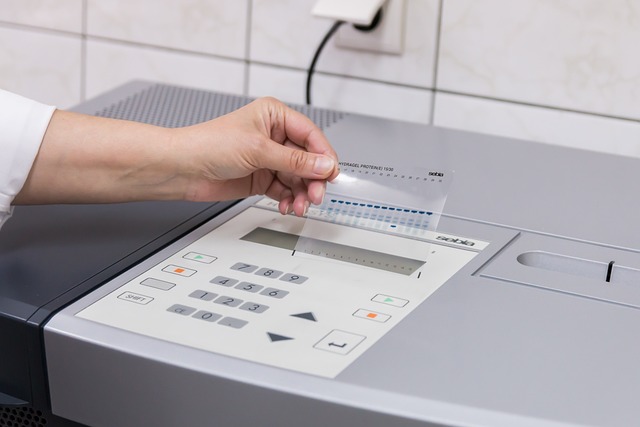
Thyroid imbalances affect millions globally, impacting everything from energy levels to heart health. Fortunately, there are effective natural remedies for balancing thyroid hormones. One key tool in managing these conditions is a thyroid function test kit, which allows individuals to monitor their hormone levels in the comfort of their homes. These kits have become increasingly accessible and accurate, empowering people to take an active role in maintaining their thyroid health.
For men seeking to balance their hormones, a male hormone blood test in Bristol can provide valuable insights into testosterone levels. Similarly, women can turn to a female hormone blood test in Leicester to assess estrogen and progesterone equilibrium. These tests, along with vitamin D blood tests in Bournemouth (a crucial player in thyroid regulation), offer a holistic approach to understanding and managing hormonal imbalances. For instance, studies show that optimal vitamin D levels are associated with improved thyroid function.
Natural remedies for thyroids focus on dietary adjustments, lifestyle changes, and targeted supplements. A diet rich in iodine, selenium, zinc, and tyrosine can support thyroid hormone production. Incorporating anti-inflammatory foods like omega-3 fatty acids, turmeric, and berries is also beneficial. In addition to these dietary strategies, regular exercise and adequate sleep play a significant role in maintaining thyroid health. Stress management techniques such as mindfulness and meditation further contribute to a balanced thyroid system.
When selecting supplements, consider L-tyrosine for enhancing thyroid hormone synthesis, and ashwagandha or rhodiola for reducing stress and supporting the endocrine system. Always consult with healthcare professionals before starting any new regimen. By combining these natural approaches with regular testing using thyroid function test kits, individuals can effectively navigate their thyroid health journey towards optimal balance.
Group Strategies for Effective Thyroid Management

By understanding the causes and symptoms of thyroid imbalances, selecting appropriate thyroid function test kits, accurately administering tests, and interpreting results, individuals and groups can effectively manage and balance thyroid hormones naturally. The article highlights the importance of natural remedies alongside group strategies for optimal thyroid management. Key takeaways include choosing reliable test kits, ensuring accurate testing practices, and recognizing individual variations in test outcomes. Armed with this knowledge, readers are empowered to take proactive steps towards maintaining healthy thyroid function using thyroid function test kits naturally, fostering a healthier and more balanced community overall.