
Thyroid function test kits measure T3, T4, TSH for metabolic health insights. Abnormalities indicate hypothyroidism (low T3/T4, high TSH) or hyperthyroidism (elevated T3/T4, low TSH). Regular monitoring, balanced diet, exercise, stress management, and professional consultations optimize thyroid function. Business owners can enhance employee well-being and productivity by interpreting test results holistically.
Understanding your thyroid function is crucial for business owners seeking optimal health and productivity. The thyroid gland, often referred to as the “master gland,” plays a pivotal role in regulating metabolism and energy levels. However, interpreting thyroid test results can be challenging due to variability and potential false positives/negatives. This article provides an authoritative guide on navigating these complexities, empowering business owners to make informed decisions using readily available thyroid function test kits. We’ll demystify common markers, discuss normal ranges, and offer insights into managing results for enhanced well-being and sustained success in the workplace.
- Understanding Thyroid Hormones: T3, T4, and TSH
- Interpreting Test Ranges: Normal vs. Abnormal Values
- Thyroid Function Test Kit: What to Expect
- Common Thyroid Imbalances: Hyperthyroidism and Hypothyroidism
- Managing Test Results: When to Seek Medical Advice
- Optimizing Health with a Balanced Thyroid
Understanding Thyroid Hormones: T3, T4, and TSH

Thyroid hormones play a pivotal role in regulating metabolism and overall bodily functions. Understanding T3 (triiodothyronine), T4 (thyroxine), and TSH (thyroid-stimulating hormone) is essential for accurately interpreting thyroid test results, especially for business owners keen on optimizing their health and productivity.
T3 and T4 are the primary active hormones produced by the thyroid gland. T3 is more potent than T4, directly influencing cellular metabolism. Levels of T3 and T4 are typically measured in blood tests, providing insights into thyroid function. For instance, a full blood count (FBC) in Southampton or Newcastle can reveal abnormalities indicative of thyroid disorders. Similarly, a thyroid blood test in Leeds, conducted 1-3 times annually, can help maintain optimal hormone levels. Imbalances in T3 and T4 can lead to symptoms like fatigue, weight fluctuations, and cardiovascular changes, emphasizing the importance of regular monitoring.
TSH acts as a regulatory signal between the brain and thyroid gland. Produced by the pituitary gland, TSH stimulates the thyroid to produce T3 and T4. High TSH levels may suggest hypothyroidism (underactive thyroid), while low TSH could indicate hyperthyroidism (overactive thyroid). For example, data from recent studies shows that approximately 2% of the population has some form of thyroid dysfunction. By utilizing a comprehensive thyroid function test kit naturally available, business owners can proactively manage their thyroid health and ensure optimal performance.
Actionable advice includes maintaining a balanced diet rich in iodine, considering regular exercise to boost metabolism, and managing stress levels. Additionally, consulting with healthcare professionals for personalized interpretations of thyroid test results is crucial. Regular monitoring and understanding these key hormones empower individuals to make informed decisions, ensuring their thyroid function supports rather than hinders their business success.
Interpreting Test Ranges: Normal vs. Abnormal Values

Understanding thyroid test results is a crucial step for business owners looking to maintain optimal health and productivity. When interpreting these tests, distinguishing between normal and abnormal values is key. Thyroid function test kits, which measure hormones like T3, T4, and TSH, offer valuable insights into overall metabolic health. Normal ranges vary slightly among labs but generally, a TSH level within 0.4-4.0 mIU/L, T3 between 80-180 ng/dL, and T4 from 0.7-1.5 ng/mL is considered healthy.
Abnormal values can signal underlying issues. For instance, elevated TSH might indicate hypothyroidism, while low T3 or T4 could point to hyperthyroidism. It’s essential to compare results with these reference ranges provided by reputable labs. For example, a full blood count in Leicester or a vitamin B12 blood test in Bournemouth can offer additional context; abnormalities in red blood cell counts or B12 levels might interact with thyroid function. Similarly, food intolerance tests in Reading can reveal dietary factors influencing thyroid health.
Actionable advice includes discussing results with healthcare professionals who can interpret them within your unique biological profile. Regular monitoring is vital, especially if you have a history of thyroid issues. Additionally, maintaining a balanced diet rich in iodine, selenium, and zinc supports optimal thyroid function. Remember, accurate interpretation leads to informed decisions about lifestyle adjustments or medical interventions, ensuring you support your thyroid health naturally.
Thyroid Function Test Kit: What to Expect
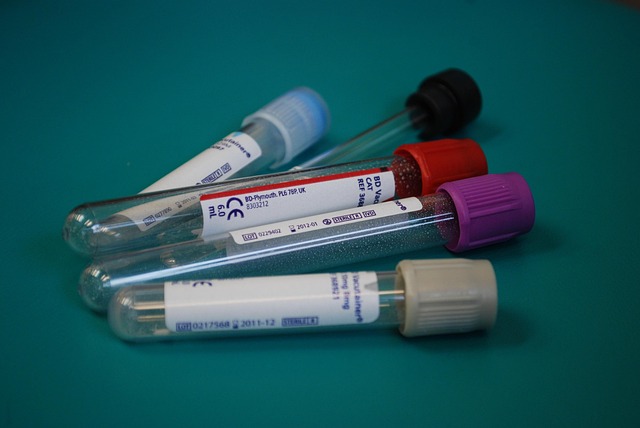
Interpreting thyroid test results is a crucial task for business owners, especially those with employees who may be experiencing health issues affecting productivity and overall performance. A comprehensive understanding of thyroid function begins with acquiring a thyroid function test kit. These kits provide a non-invasive way to measure key hormone levels, offering valuable insights into an individual’s metabolic health.
The thyroid function test kit typically assesses TSH (Thyroid Stimulating Hormone), T3 (Triiodothyronine), and T4 (Thyroxine) levels. These hormones play a pivotal role in regulating metabolism, influencing everything from energy levels and weight to heart rate and female fertility. For instance, a blood test in Coventry focusing on female fertility might reveal abnormal thyroid function as a contributing factor to infertility issues. Similarly, food intolerance tests in Sheffield could uncover underlying thyroid imbalances causing digestive problems. Even vitamin B12 blood tests in Oxford can provide clues about thyroid health; deficiency in B12 has been linked to hypothyroidism.
When interpreting results, it’s essential to consider reference ranges and individual variations. What’s considered normal can differ between laboratories, so consulting with a healthcare professional is vital. They can guide on what constitutes optimal thyroid function based on age, gender, and specific health concerns. For example, a TSH level slightly outside the reference range may not necessarily indicate a problem, especially in individuals with subtle symptoms or those already under medical care. However, consistent elevation or depression could suggest underlying thyroid disorders requiring further investigation.
Common Thyroid Imbalances: Hyperthyroidism and Hypothyroidism
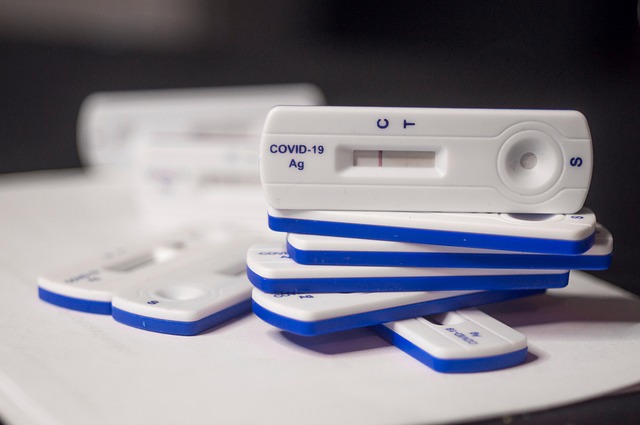
Thyroid function is a critical aspect of overall health, and for business owners, understanding their thyroid test results can be key to optimizing performance and well-being. Two of the most common thyroid imbalances are hyperthyroidism and hypothyroidism, each with distinct symptoms and implications. Hyperthyroidism, characterized by an overactive thyroid, can lead to accelerated metabolism, weight loss, increased heart rate, and anxiety. On the other hand, hypothyroidism, resulting from a underactive thyroid, may cause fatigue, weight gain, constipation, and depression.
Interpreting these results requires knowledge of various thyroid markers, such as T3, T4, and TSH (Thyroid-Stimulating Hormone). A thyroid function test kit naturally includes measurements of these hormones, providing a comprehensive view of thyroid health. For instance, elevated T3 and T4 levels may indicate hyperthyroidism, while low T4 and high TSH could suggest hypothyroidism. It’s essential to compare these results with individual baseline data and recent trends. Business owners should also consider that conditions like stress or certain medications can impact thyroid function, necessitating a holistic approach when interpreting test outcomes.
In support of this understanding, a study published in the Journal of Clinical Endocrinology & Metabolism found that up to 6% of adults in the UK have subclinical hypothyroidism (low T3 or T4 levels with normal TSH). This highlights the prevalence and potential impact of thyroid imbalances. To further assess overall health, it’s beneficial to incorporate other routine blood tests, such as a cholesterol blood test in Birmingham, a vitamin D blood test in Cambridge, or a male hormone blood test in Leeds, depending on individual needs. By combining these insights, business owners can make informed decisions to support optimal thyroid function and overall wellness, leading to enhanced productivity and quality of life.
Managing Test Results: When to Seek Medical Advice

Interpreting thyroid test results is a crucial step for business owners looking to maintain optimal health and productivity. Thyroid function plays a pivotal role in regulating metabolism, energy levels, and overall well-being. When managing your own or your employees’ health, understanding the nuances of thyroid tests is essential. It’s important to remember that while a thyroid blood test Portsmouth, like any medical assessment, provides valuable data, it should be interpreted within the broader context of an individual’s health history and symptoms.
One common approach involves using a thyroid function test kit naturally, which can offer insights into specific markers such as TSH (Thyroid-Stimulating Hormone), T3, and T4 levels. For instance, elevated TSH might indicate hypothyroidism, while low T3 or T4 could point to hyperthyroidism. However, these results should never be interpreted in isolation. Consider the individual’s overall health, age, gender, and any concurrent medical conditions. For example, a vitamin B12 blood test Bristol might reveal nutritional deficiencies that could impact thyroid function, highlighting the importance of a holistic approach.
If results from a liver blood test Southampton or other diagnostic tests suggest imbalances, it’s crucial to seek medical advice promptly. A healthcare professional can provide tailored guidance based on the collective insights from all relevant tests. For instance, certain medications or underlying conditions might affect thyroid hormone production. Regular monitoring and adjustments under professional supervision are vital for managing thyroid-related health issues effectively. By collaborating closely with healthcare providers, business owners can ensure that their health strategies are evidence-based and effective.
Optimizing Health with a Balanced Thyroid

Understanding thyroid test results is crucial for business owners aiming to optimize health and productivity among their workforce, especially as many employees navigate menopause or other hormonal shifts. The thyroid, often referred to as the “master gland,” plays a significant role in regulating metabolism, energy levels, and even female hormones—all essential factors influencing overall well-being. A balanced thyroid function is vital for maintaining focus, stamina, and resilience among employees, impacting their ability to perform optimally.
Interpreting thyroid test results requires a nuanced approach, as levels of thyroid-stimulating hormone (TSH), thyroxine (T4), and triiodothyronine (T3) must be carefully evaluated in context. A thyroid function test kit naturally provides insights into these markers, helping to identify imbalances that could manifest as fatigue, weight fluctuations, or changes in menstrual cycles—symptoms often overlooked but indicative of underlying issues. For instance, a TSH level consistently above the reference range may suggest hypothyroidism, requiring adjustments in lifestyle and, if necessary, medical intervention. Similarly, menopausal women in Manchester might benefit from regular female hormone blood tests to monitor estrogen and progesterone levels, which can influence thyroid health.
In cities like Bristol, where diverse populations navigate various health challenges, a comprehensive approach is essential. Incorporating a full blood count (FBC) into routine screenings can offer valuable data on overall health, identifying potential issues that may impact thyroid function. For example, anemia, often detected through FBC, can affect T3 conversion and T4 production, emphasizing the interconnectedness of bodily systems. By integrating these tests as part of a holistic wellness program, business owners can foster an environment where employees are empowered to take charge of their health, leading to increased productivity, improved morale, and a more engaged workforce.
By understanding thyroid hormones T3, T4, and TSH, recognizing normal vs. abnormal test ranges, and utilizing a thyroid function test kit, business owners can gain valuable insights into their overall health. Key takeaways include identifying common imbalances like hyperthyroidism and hypothyroidism, and knowing when to seek medical advice based on test results. Optimizing thyroid function is essential for maintaining balanced health, ensuring peak performance, and promoting well-being. The information presented in this article equips readers with the knowledge to interpret their thyroid test results and take practical steps towards enhancing their overall thyroid health using a thyroid function test kit.