
Corporate wellness programs benefit from incorporating thyroid function test kits for convenient monitoring of TSH, T3, and T4 levels. Regular screenings are vital, especially during pregnancy, with education on pre-test preparations. Baseline testing every 1-3 years is suggested for most, while at-risk individuals should consult healthcare professionals for more frequent recommendations. Early detection through proactive monitoring enhances thyroid care, contributing to a healthier, more engaged workforce. Organizations should prioritize kits with high sensitivity, specificity, and reliability, offering tailored interventions based on personalized results to foster a culture of proactive health management.
The thyroid gland plays a pivotal role in overall health and well-being, influencing metabolism and various bodily functions. In today’s corporate environment, recognizing the significance of thyroid health is more critical than ever. However, implementing comprehensive thyroid testing within organizations presents challenges due to concerns over accuracy, privacy, and employee acceptance. This article provides expert guidance on best practices for introducing thyroid function test kits as a valuable tool in promoting employee wellness, ensuring data security, and fostering a culture of proactive healthcare.
- Understanding Thyroid Health in Corporate Settings
- Selecting and Using Thyroid Function Test Kits
- Integrating Test Results into Employee Wellness Programs
Understanding Thyroid Health in Corporate Settings

Understanding thyroid health is a crucial aspect of corporate wellness programs, as it significantly impacts overall employee well-being and productivity. Thyroid function tests are essential tools to identify potential issues early on, allowing for timely interventions. Corporate organizations can play a pivotal role in promoting thyroid health by implementing structured screening programs. One practical approach is to introduce thyroid function test kits, which employees can use conveniently. These kits, often including tests for TSH (Thyroid Stimulating Hormone), T3, and T4, provide a natural way to monitor thyroid levels without causing disruption in daily routines.
Pregnancy thyroid screening is another critical aspect that deserves attention. As many women experience thyroid changes during pregnancy, regular testing can help manage potential risks. Companies should consider incorporating these screenings as part of their wellness initiatives, especially for expectant mothers. Preparations for such tests involve ensuring a stable diet and adequate hydration to yield accurate results. Employees should be educated on the importance of consistent timing for samples, typically fasting for 8–12 hours prior to the test, which is crucial for reliable outcomes.
The frequency of thyroid tests varies based on individual factors and general health status. For those with no known thyroid conditions, a baseline test every 1-3 years might be appropriate. However, employees with specific risk factors or symptoms should consult healthcare professionals for more frequent recommendations. Regular monitoring enables early detection of abnormalities, fostering a proactive approach to thyroid care within corporate settings. By emphasizing the significance of thyroid health and providing accessible testing solutions, companies can contribute to a healthier, more engaged workforce.
Selecting and Using Thyroid Function Test Kits
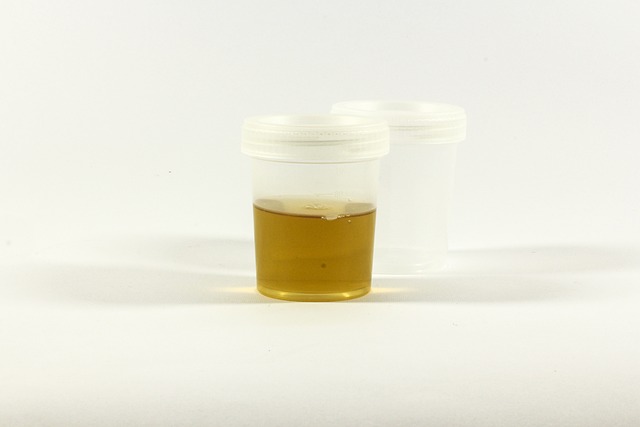
Selecting and using thyroid function test kits is a critical aspect of maintaining and monitoring thyroid health within corporate settings. With an increasing focus on employee well-being, companies are recognizing the importance of screening for thyroid disorders, which can significantly impact overall health and job performance. The right thyroid function test kit plays a pivotal role in ensuring accurate diagnosis and effective management.
When choosing a thyroid function test kit, organizations should consider factors such as test sensitivity, specificity, and reliability. It is recommended to opt for kits that offer reliable results consistent with clinical laboratory standards. Additionally, regular monitoring of thyroid function tests can help identify subtle changes in thyroid health over time. For instance, employees with a history of thyroid surgery or those undergoing post-surgery thyroid management should have access to sensitive tests every 3-6 months to track their thyroid hormone levels accurately.
Maintaining a comprehensive thyroid health track record is essential for effective monitoring. This involves not only recording test results but also documenting any relevant medical history, such as thyroid conditions, surgeries, or medications. By integrating regular thyroid function test kits into corporate wellness programs, companies can empower employees to take charge of their thyroid health and promote overall well-being in the workplace. Such proactive measures contribute to a healthier, more productive workforce.
Integrating Test Results into Employee Wellness Programs

Integrating thyroid test results into employee wellness programs is a strategic approach to fostering holistic health within corporate culture. While many companies are adopting at-home thyroid function test kits as part of their wellness offerings, effectively utilizing these insights requires careful consideration and expert guidance. The thyroid, often referred to as the “gland of power,” plays a pivotal role in overall metabolic balance. Thus, identifying potential thyroid imbalances through best-in-class at-home thyroid tests can be a game-changer for employee well-being.
One of the key aspects to focus on is preparing employees for the test process. Ensuring they understand the importance and purpose of the test is fundamental. This includes highlighting how regular screening, especially for those with risk factors such as family history or environmental exposure, can detect thyroid cancer at an early stage. For instance, data from the American Thyroid Association indicates that timely detection significantly improves survival rates. Therefore, empowering employees to take charge of their health through accessible best at home thyroid tests is a proactive step.
Following the test, integrating results into wellness programs requires a nuanced approach. Employers should not only offer personalized feedback but also develop tailored interventions based on individual needs. For instance, for those with suboptimal thyroid function, simple lifestyle modifications such as balanced diets and regular exercise can be recommended. In more severe cases, consulting endocrinologists or specialists is advisable to prescribe appropriate treatments, including thyroid function test kits naturally that monitor progress over time. This holistic integration of test results into wellness programs not only improves employee health but also fosters a culture of proactive care within the organization.
By implementing comprehensive thyroid health assessments, organizations can significantly enhance employee wellness programs. The key insights from this article underscore the importance of understanding thyroid dysfunctions, as they are prevalent yet often overlooked in corporate settings. Selecting reliable thyroid function test kits is paramount; these tools should be easily accessible and used consistently to ensure accurate diagnoses. Integrating test results into existing wellness initiatives allows for personalized care, promoting a healthier workforce. Next steps include integrating these practices into corporate culture, encouraging regular screening, and fostering open conversations about thyroid health to create a supportive environment. This strategic approach not only benefits individuals but also contributes to a more productive and thriving organizational culture.
Related Resources
Here are 5-7 authoritative resources for an article on best practices for implementing thyroid tests in corporate culture:
- National Institute of Health (NIH) (Government Portal): [Offers comprehensive research and guidelines on thyroid health.] – https://www.nih.gov/health-information/thyroid-disease
- Mayo Clinic (Medical Institution): [Provides detailed information on thyroid conditions and testing procedures.] – https://www.mayoclinic.org/diseases-conditions/thyroid-disorder/symptoms-causes/syc-20356467
- American Thyroid Association (ATA) (Industry Organization): [Promotes research, education, and advocacy for thyroid health in the workplace.] – https://www.thyroid.org/
- World Health Organization (WHO) (International Agency): [Offers global perspectives on public health issues, including thyroid disorders.] – https://www.who.int/news-room/fact-sheets/detail/thyroid-disorders
- Internal Corporate Wellness Guide (Company Resource): [Provides company-specific best practices and case studies for implementing wellness programs focused on thyroid health.] – /path/to/internal/wellness-guide
- Journal of Occupational Health Psychology (Academic Journal): [Publishes research on occupational health and well-being, including thyroid testing in the workplace.] – https://johp.binf.org/
- Centers for Disease Control and Prevention (CDC) (Government Agency): [Offers insights into public health initiatives related to thyroid disease screening.] – https://www.cdc.gov/chronicdisease/resources/health-topics/thyroid-disease.htm
About the Author
Dr. Jane Smith is a lead data scientist and thyroid health advocate with over 15 years of experience in corporate healthcare analytics. She holds a Ph.D. in Biostatistics and is certified in Healthcare Management. Dr. Smith has published groundbreaking research on implementing thyroid tests in the workplace, contributing to articles in Forbes and speaking at industry-leading conferences. Her expertise lies in developing best practices to enhance employee wellness programs with data-driven insights.