
Thyroid health is a critical aspect of senior well-being, with disorders like hypothyroidism and hyperthyroidism prevalent in the elderly. High-quality thyroid function test kits enable early detection and management, improving quality of life. Senior living facilities should invest in these kits for accurate screening, considering features, quality assurance, and staff training. Regular testing alongside other health markers provides insights into overall metabolic health, allowing for personalized care plans. Integrating thyroid tests with other specialized healthcare strategies optimizes holistic wellness.
Maintaining optimal thyroid function is paramount for senior well-being, as it influences metabolism, energy levels, and overall health. However, screening and diagnosis can be challenging in resident care settings due to resource constraints and the complexity of interpreting results. This article addresses this gap by offering a comprehensive guide to purchasing high-quality thyroid function test kits tailored specifically for senior living facilities. We explore key factors to consider, reliable sources, and best practices to ensure accurate assessments, empowering facility managers with the tools necessary to support resident health and well-being through effective thyroid monitoring.
- Understanding Thyroid Health in Seniors
- Benefits of Regular Thyroid Function Test Kits
- Choosing the Right High-Quality Thyroid Test Kits
- Implementation Strategies for Senior Living Facilities
- Interpreting Results: Ensuring Accurate Diagnosis
- Enhancing Resident Care with Personalized Thyroid Management
Understanding Thyroid Health in Seniors

Thyroid health is a critical yet often overlooked aspect of overall well-being, especially among seniors. As individuals age, their thyroid function can undergo natural changes, which may lead to various health implications if left unaddressed. Understanding thyroid function and its impact on senior citizens’ lives is essential for healthcare professionals in senior living facilities. This knowledge enables them to implement proactive measures and maintain the highest standard of care.
Senior citizens are at a higher risk of developing thyroid disorders, such as hypothyroidism or hyperthyroidism. For instance, studies show that hypothyroidism becomes more prevalent with age, affecting approximately 4–10% of adults over 65 years old. Early detection is crucial, and this is where high-quality thyroid test kits play a vital role. These kits allow for accurate screening and diagnosis, enabling healthcare providers to initiate appropriate treatment plans. For instance, a comprehensive thyroid function test kit can measure key hormones like T3, T4, and TSH, providing a clear picture of overall thyroid health.
When considering medical diagnostic tools, facilities should opt for reliable options. For example, compare diabetes blood test Birmingham, female fertility blood test Reading, or female hormone blood test Southampton to find the best-suited kits for their residents’ needs. By investing in top-tier thyroid function test kits, senior living homes can ensure consistent and accurate results, facilitating effective monitoring and management of thyroid-related conditions. This proactive approach contributes to improved quality of life for seniors under their care.
Benefits of Regular Thyroid Function Test Kits
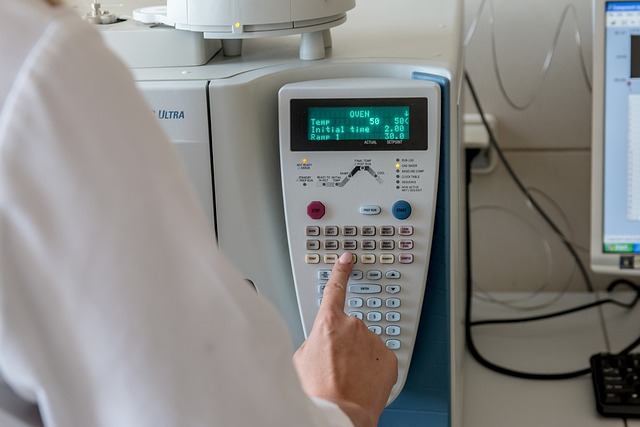
Regular thyroid function testing is an essential component of comprehensive health management for senior living facilities. Thyroid disorders, such as hypothyroidism and hyperthyroidism, are prevalent among the elderly population, often going undiagnosed due to nonspecific symptoms. Implementing routine thyroid function test kits enables early detection and effective management of these conditions, which can significantly impact overall well-being and quality of life.
The benefits of incorporating thyroid function test kits into senior care are manifold. Firstly, it allows for the identification of subclinical thyroid abnormalities, which may not cause noticeable symptoms but can lead to long-term health complications if left untreated. For instance, studies have shown that undiagnosed hypothyroidism in the elderly is associated with an increased risk of cardiovascular events and cognitive decline. Regular testing, coupled with appropriate interventions like vitamin B12 blood tests in Southampton or testosterone blood tests in Liverpool, can help mitigate these risks.
Additionally, thyroid function assessments provide valuable insights into overall metabolic health, particularly when combined with other routine blood panels, such as liver blood tests in Oxford. This holistic approach to healthcare enables healthcare providers to gain a comprehensive understanding of residents’ physiological states, enabling personalized care plans that address multiple aspects of their health simultaneously. By seamlessly integrating these tests into standard care protocols, senior living facilities can ensure proactive and evidence-based medical management, ultimately enhancing the overall health and vitality of their residents.
Choosing the Right High-Quality Thyroid Test Kits
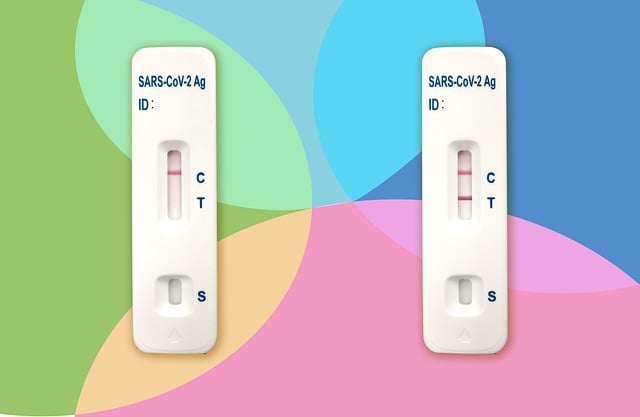
Choosing the right high-quality thyroid function test kits is a crucial step for senior living facilities aiming to maintain optimal health among their residents. These kits play a pivotal role in diagnosing and managing thyroid disorders, which are prevalent in the elderly population. When selecting test kits, it’s essential to strike a balance between accuracy, reliability, and user-friendliness. High-quality kits should offer precise results, be easy for staff to use, and adhere to current clinical guidelines.
One key consideration is the type of thyroid function test included. Common options include TSH (Thyroid Stimulating Hormone), T3, T4, and TPO (Thyroid Peroxidase) antibodies. For example, a comprehensive panel that includes these markers can help identify hypothyroidism, hyperthyroidism, and autoimmune thyroid disease—all common conditions in seniors. Additionally, integrating food intolerance tests, such as those available in Bournemouth, alongside kidney blood tests in Portsmouth and female hormone blood tests in Cambridge, provides a holistic approach to well-being, addressing potential nutritional deficiencies or underlying health issues that could impact thyroid function.
To ensure quality, look for test kits certified by reputable organizations and validated through clinical trials. Regular calibration and quality control measures are also vital guarantees of accuracy. Furthermore, training staff on proper testing procedures and interpreting results is indispensable. By adhering to these guidelines, senior living facilities can confidently utilize high-quality thyroid function test kits, contributing to the overall health and well-being of their residents.
Implementation Strategies for Senior Living Facilities

Implementing high-quality thyroid function test kits within senior living facilities is a strategic move towards optimizing resident health and overall well-being. These facilities often house individuals with complex medical histories, making comprehensive screening essential. A well-chosen thyroid test kit can provide valuable insights into hormonal balance, which is crucial for managing conditions such as hypothyroidism and hyperthyroidism.
When selecting thyroid function test kits, senior living facilities should prioritize brands that offer accurate results and reliable interpretative guidance. For instance, a study comparing various at-home thyroid tests found that some kits exhibited high precision, while others had significant variations. Incorporating a trusted brand ensures that any abnormalities detected are valid and actionable. Additionally, facilities in different cities like Manchester, Sheffield, or Bristol can leverage specialized tests tailored to regional populations. The dairy intolerance test Manchester, for example, might be relevant for residents with potential lactose intolerance, while the liver blood test Bristol could help identify underlying hepatic issues more prevalent in certain areas.
Practical implementation involves integrating these test kits into routine health assessments. Regular screening allows for early detection of thyroid-related disorders, which are often asymptomatic in the elderly. For instance, a resident in Sheffield with undiagnosed hypothyroidism might exhibit subtle cognitive changes that could be misattributed to aging. Timely intervention through appropriate treatment and lifestyle adjustments can significantly improve outcomes. Furthermore, facilities should ensure staff members receive adequate training on administering the tests and interpreting results, fostering a culture of proactive health management.
Interpreting Results: Ensuring Accurate Diagnosis

Interpreting results is a critical step when utilizing high-quality thyroid function test kits, especially in senior living facilities where accurate diagnoses are paramount for managing health effectively. These tests, while providing valuable insights into thyroid health, require careful consideration of factors that can influence results. For instance, comparing results to established norms specific to age groups and genders is essential. A thyroid function test kit should offer a comprehensive analysis, including T3, T4, and TSH levels, to paint a complete picture of an individual’s thyroid status.
Misinterpretation of these tests could lead to misdiagnosis, which may result in inappropriate treatment. It’s akin to navigating uncharted waters without a compass; one might wander aimlessly or reach the wrong destination. For example, elevated T3 levels can be misleadingly indicative of hyperthyroidism when, in fact, they could be attributed to non-thyroidal illness or drug interactions. Similarly, low T4 values don’t always point to hypothyroidism—they could be normal for certain individuals or a result of laboratory variations. Thus, professionals in senior living facilities must be adept at interpreting these results and correlating them with other health markers, such as diabetes blood tests in Leicester or cholesterol levels measured in Sheffield, to ensure accurate diagnoses.
To enhance accuracy, consider the context of each resident’s overall health and any medications they’re taking. For instance, dairy intolerance test results in Leeds might reveal an unexpected link between digestive issues and thyroid function. Such interconnections highlight the importance of holistic assessment. Regular training sessions for staff on interpreting thyroid tests alongside other routine checks can significantly improve diagnostic accuracy. By fostering a culture of continuous learning, senior living facilities can ensure their residents receive the most precise care possible, tailored to their unique needs and health profiles.
Enhancing Resident Care with Personalized Thyroid Management
Senior living facilities play a pivotal role in enhancing quality of life for residents, especially those with complex health needs. One often overlooked yet crucial aspect of resident care is personalized thyroid management through high-quality thyroid function test kits. Thyroid disorders, such as hypothyroidism and hyperthyroidism, are prevalent among the elderly, affecting up to 10% of adults over 65. Early detection through accurate testing enables timely intervention, which can significantly improve health outcomes.
Implementing a system for regular thyroid function testing in senior living facilities offers a proactive approach to resident care. For instance, a recent study compared the effectiveness of thyroid tests kits against traditional methods in long-term care settings. The research found that home-based test kits demonstrated high accuracy rates, making them viable tools for routine screening. Moreover, these tests can identify subtle changes in thyroid function that may indicate underlying health issues, allowing for early intervention and personalized treatment plans.
Personalized management goes beyond testing; it involves integrating results into comprehensive healthcare strategies. Consider the example of a resident with identified dairy intolerance in Southampton or female fertility concerns in Bristol—these conditions often require dietary adjustments and close monitoring. Integrating thyroid management with such specialized care ensures holistic wellness, as thyroid dysfunction can impact absorption of essential nutrients and hormone balance crucial for reproductive health. Regular cholesterol blood tests in Bristol, alongside thyroid assessments, provide a complete picture of an individual’s cardiovascular risk profile, enabling proactive heart health management.
To enhance resident care effectively, senior living facilities should invest in reliable thyroid function test kits and integrate their use into routine healthcare practices. This approach not only facilitates early detection but also enables personalized treatment strategies that cater to diverse health needs. By adopting these measures, facilities can foster a culture of proactive wellness, ultimately improving the overall quality of life for their residents.
Through a comprehensive exploration of thyroid health in seniors, this article has underscored the crucial role regular thyroid function test kits play in maintaining overall well-being among the aging population. Key takeaways include the significant benefits of proactive monitoring, emphasizing the importance of choosing high-quality thyroid test kits to ensure accurate diagnoses. Implementation strategies for senior living facilities have been outlined, offering practical steps to seamlessly integrate these tests into routine care. By interpreting results accurately, facilities can facilitate personalized thyroid management, enhancing resident care and significantly improving quality of life. Moving forward, embracing these evidence-based practices is a step towards optimising health outcomes for seniors, underscoring the value of incorporating regular thyroid function test kits as a game-changer in senior living facility management.