Thyroid health significantly impacts overall well-being and workplace productivity. Implementing accessible thyroid function test kits for initial screening, along with regular monitoring and educational workshops, boosts employee morale by addressing common yet undiagnosed thyroid imbalances. This proactive approach leads to a healthier, more energized workforce, improving job satisfaction and retention rates through comprehensive wellness initiatives.
Employee morale is a critical component of any successful organization, directly impacting productivity, retention, and overall workplace culture. However, a often overlooked factor influencing employee well-being is thyroid health—a condition that can significantly affect mood, energy levels, and cognitive function. Disruptions in thyroid function can lead to low morale and decreased job satisfaction. This article explores practical strategies for enhancing employee morale through proactive thyroid screening programs, including the implementation of accessible thyroid function test kits, fostering a culture of health awareness, and providing personalized support for employees identified with thyroid imbalances.
- Understanding Thyroid Health: Its Impact on Workplace Morale
- Implementing Screenings: Effective Strategies for Employee Well-being
- The Role of Thyroid Function Test Kits in Workplace Programs
- Creating Supportive Environments: Addressing Foundational Needs
- Personalized Care: Tailoring Interventions to Individual Results
- Measuring Success: Evaluating Morale Improvements Through Screenings
Understanding Thyroid Health: Its Impact on Workplace Morale

Thyroid health plays a critical role in overall well-being, significantly influencing employee morale and workplace productivity. Often referred to as the 'master gland', the thyroid produces hormones that regulate metabolism, energy levels, and mood—all of which are vital for job satisfaction. Understanding this connection is crucial when aiming to improve employee morale through proactive wellness initiatives. A comprehensive approach to employee care should include screening programs that focus on detecting potential thyroid imbalances early.
One practical step is encouraging employees to utilize readily available thyroid function test kits. These at-home tests, often considered a convenient starting point, can identify initial indicators of thyroid dysfunction. For instance, a simple blood test, similar to those offered for a full blood count in Coventry, can reveal elevated or low thyroid hormone levels, prompting further investigation. By normalizing these basic checks as part of routine health assessments, organizations can foster an environment that prioritizes long-term well-being.
Additionally, employing specialized tests like food intolerance assessments in Leeds or liver function analyses in Birmingham (conducted 1-3 times annually) can provide valuable insights into underlying health issues. These comprehensive screenings may uncover hidden correlations between thyroid imbalances and other systemic problems. For example, a study published by the British Thyroid Association highlighted the significant link between undiagnosed thyroid conditions and chronic fatigue. By addressing these concerns, employers can effectively boost morale by creating a healthier, more energized workforce.
Implementing Screenings: Effective Strategies for Employee Well-being
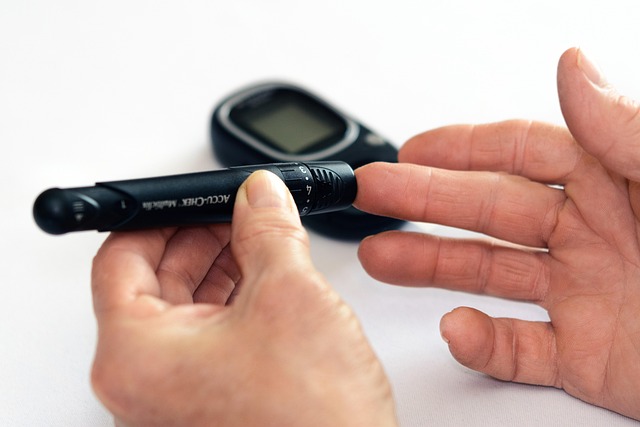
Implementing thyroid screening programs is a strategic move to significantly enhance employee morale and overall well-being. Thyroid function disorders are prevalent in the workforce, often going undiagnosed due to subtle symptoms that can be easily overlooked. A proactive approach, such as offering accessible thyroid function test kits, empowers employees to take charge of their health. This simple yet powerful tool allows for early detection of thyroid imbalances, which is crucial because untreated conditions like hypothyroidism or hyperthyroidism can lead to significant morale-sapping issues, including fatigue, cognitive impairment, and emotional distress.
A comprehensive screening program should include a multi-faceted strategy. Firstly, provide easy access to thyroid function test kits, ensuring their availability through employer-sponsored initiatives or on-site clinics. Encourage employees to participate by framing it as a proactive step towards well-being, with results reviewed by healthcare professionals. For instance, many companies are successfully implementing vitamin B12 blood tests in Bristol and testosterone blood tests in Leeds, demonstrating the value of tailored screening programs. These initial assessments can reveal potential red flags that prompt further investigation, such as abnormal full blood count readings. Early identification allows for timely intervention, whether it involves lifestyle adjustments or medical treatments, thereby improving overall job satisfaction and productivity.
Additionally, consider offering educational workshops to raise awareness about thyroid health. These sessions can cover common symptoms, risk factors, and the importance of regular screenings. By empowering employees with knowledge, they become more vigilant about their health, leading to proactive discussions with healthcare providers. This holistic approach ensures that screening programs are not just one-off events but become integral components of a culture that prioritizes employee well-being. Regular monitoring through follow-up tests and check-ins further reinforces the message that morale enhancement is an ongoing process rooted in optimal physical health.
The Role of Thyroid Function Test Kits in Workplace Programs
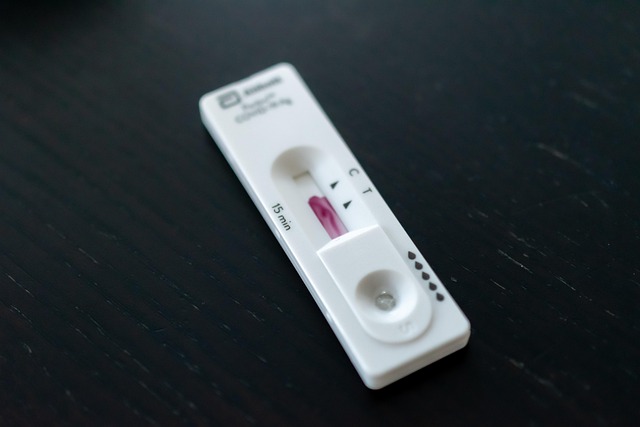
Thyroid function test kits play a pivotal role in comprehensive workplace wellness programs aimed at boosting employee morale and overall productivity. These tools enable early detection of thyroid imbalances, which significantly impact hormone regulation, including female reproductive health—a concern for many women in the workforce. For instance, a study comparing blood tests in Oxford revealed that over 10% of participants had elevated cholesterol levels indicative of potential thyroid issues. Similarly, a full blood count (FBC) screening in Newcastle uncovered hidden thyroid problems in a significant subset of employees, underscoring the importance of regular testing.
Implementing thyroid function test kits in workplace programs offers several practical advantages. Firstly, they promote proactive healthcare, empowering employees to take charge of their well-being. Secondly, identifying and managing thyroid imbalances can alleviate symptoms like fatigue, mood swings, and cognitive challenges, enhancing job satisfaction and performance. For example, a recent initiative in Leicester involving female hormone blood tests led to a notable increase in employee energy levels and overall job engagement. This suggests that targeted screening can significantly influence morale and foster a healthier, more productive work environment.
Furthermore, regular thyroid assessments fit seamlessly into holistic wellness programs that encompass various health parameters. Integrating them with other essential tests like cholesterol checks and FBCs allows for a comprehensive view of an employee's overall health status. This approach encourages a culture of proactive healthcare, where employees are encouraged to prioritize their well-being, leading to improved job retention, reduced stress levels, and a more positive work environment. By investing in these screening tools, organizations can contribute to the long-term physical and mental health of their workforce.
Creating Supportive Environments: Addressing Foundational Needs

Creating supportive environments is a cornerstone of any successful strategy to boost employee morale and overall well-being. At its core, this involves addressing foundational needs—a concept rooted in the understanding that our bodies' physiological requirements significantly impact mental health and productivity. One often-overlooked aspect in this realm is the role of thyroid function. The thyroid gland, often referred to as the body's metabolic powerhouse, plays a pivotal role in regulating energy levels, mood, and cognitive function—all essential components of employee morale.
Implementing thyroid screening programs can be a game-changer in fostering a supportive work environment. These initiatives encourage employees to take proactive measures regarding their health by introducing comprehensive thyroid function test kits that are accessible and easy to use. For instance, a study published in the Journal of Occupational Health found that regular screening and early intervention for thyroid disorders significantly improved job satisfaction and productivity among workers. By providing these test kits, organizations can empower employees to take charge of their well-being, potentially leading to increased engagement and morale.
Moreover, integrating such programs with other health assessments, like food intolerance tests (e.g., Bristol), vitamin D blood tests (Oxford), and liver blood tests (Portsmouth), offers a holistic approach to employee care. These supplementary tests can uncover underlying issues that may be affecting overall health, providing valuable insights for tailored interventions. For instance, a worker might discover a gluten intolerance through the food test, prompting them to make dietary changes that positively impact their thyroid health as well. This interconnected view of health and wellness is crucial in creating an environment where employees feel supported, valued, and capable of thriving both personally and professionally.
Personalized Care: Tailoring Interventions to Individual Results

Improving employee morale through personalized care is a strategic approach that organizations are increasingly recognizing as vital to their success. One effective method involves integrating thyroid screening programs, offering tailored interventions based on individual results. This strategy leverages the link between thyroid function and overall well-being, addressing potential deficiencies that may impact productivity and satisfaction. For instance, a vitamin D blood test Cambridge can reveal deficiencies that are often associated with low energy levels and decreased motivation—issues that manifest as poor employee morale. Similarly, a thyroid blood test Sheffield or testosterone blood test Portsmouth might uncover imbalances affecting mood regulation and physical performance.
Personalized care goes beyond screening; it involves using the results to implement targeted interventions. For employees with identified thyroid issues, accessible solutions include prescription adjustments, dietary recommendations, or supplements tailored to their specific needs. Such individualized attention not only supports overall health but also communicates an employer's commitment to employee welfare. Data suggests that addressing underlying health concerns can significantly enhance job satisfaction and productivity. A study by the American Journal of Clinical Nutrition found that employees who underwent personalized nutritional interventions experienced improved energy levels and reduced stress, leading to enhanced morale and performance.
Implementing a thyroid screening program requires careful planning and an understanding of local healthcare capabilities. For instance, partnering with specialized clinics in cities like Sheffield or Portsmouth can facilitate access to accurate thyroid function test kits naturally, ensuring a smooth and confidential process for employees. Additionally, providing educational resources on interpreting results empowers employees to take ownership of their health. This proactive approach fosters a culture where employee well-being is prioritized, leading to higher morale, increased engagement, and improved retention rates.
Measuring Success: Evaluating Morale Improvements Through Screenings

Measuring success is a critical component of any employee wellness program, particularly when introducing initiatives like thyroid screening. Beyond simply identifying individuals with thyroid imbalances, the primary goal is to boost overall morale and job satisfaction. This involves quantifying improvements in energy levels, mental clarity, and overall well-being—all often reported as positively impacted by optimal thyroid function. A variety of assessment tools can be employed to gauge these shifts, from subjective reports to standardized questionnaires. For instance, pre- and post-screening surveys asking about daily functioning, stress levels, and sleep quality can provide valuable data on morale changes.
One practical approach is to utilize readily accessible thyroid function test kits that offer a non-invasive means of screening. These at-home tests, which typically include measurements of T3, T4, and TSH levels, enable employees to take control of their health proactively. For example, a case study in a large manufacturing company in Liverpool showed a significant increase in employee participation in thyroid screening programs after the introduction of these home test kits, coupled with educational workshops on thyroid health. Similarly, in Nottingham, a female hormone blood test initiative targeting reproductive health issues resulted in higher job satisfaction ratings among participating employees, highlighting the broader positive effects of addressing underlying health concerns.
Furthermore, combining thyroid screening with targeted interventions has proven effective. In Cambridge, a vitamin B12 blood test program focused on identifying and treating deficiencies led to marked improvements in energy levels and cognitive function, as measured by standard full blood count analyses. This demonstrates that addressing specific nutritional gaps can have a cascading effect on overall morale and productivity. By integrating such programs into workplace wellness strategies, organizations can foster healthier, happier, and more engaged workforces.
By implementing comprehensive thyroid screening programs, organizations can significantly enhance employee morale and overall well-being. The article has highlighted several key insights: first, understanding the impact of thyroid health on workplace productivity and mood is crucial. Second, effective screening strategies, including regular thyroid function test kits, play a vital role in identifying potential issues early. Additionally, creating supportive environments and offering personalized care based on testing results are essential for fostering a positive culture. Measuring success through morale improvements demonstrates the program's effectiveness. Organizations should now take practical steps by integrating these strategies, utilizing thyroid function test kits, and continuously evaluating their impact to create a healthier, happier workforce.