
Thyroid health is crucial for elderly care home residents with complex needs. Specialized thyroid function test kits detect imbalances like hypothyroidism early through non-invasive methods. Regular screening (quarterly/semiannual) for those aged 60+ is recommended, focusing on TSH, T3, T4, and antibody tests. Integrating these tests into care promotes proactive health management, improving quality of life by addressing metabolic and hormonal imbalances.
The thyroid gland, often referred to as the body's metabolic powerhouse, plays a pivotal role in overall health and well-being. In long-term care homes, ensuring optimal thyroid function among residents is of utmost importance, given the potential for subtle yet significant impacts on their quality of life. However, managing thyroid health can be complex, with various factors influencing its performance over time. This article delves into the crucial aspect of comprehensive thyroid testing, specifically exploring how specialized kits designed for long-term care settings can facilitate efficient and accurate monitoring, empowering caregivers to make informed decisions and promote residents' overall well-being.
- Understanding Thyroid Health in Long-Term Care
- The Role of Comprehensive Thyroid Tests
- Selecting Effective Thyroid Function Test Kits
- Implementing Results for Individualized Care
- Enhancing Resident Well-being with Thyroid Monitoring
Understanding Thyroid Health in Long-Term Care

Thyroid health is a critical yet often overlooked aspect of overall well-being, especially within long-term care homes where residents' complex medical needs demand meticulous attention. Understanding thyroid function is essential as these glandular organs play a pivotal role in regulating metabolism and maintaining energy levels. A comprehensive review process should include specialized tests tailored to this demographic, addressing specific concerns like menopause and vitamin D deficiency, prevalent among older adults.
One such tool is the thyroid function test kit, offering a non-invasive means to assess thyroid status naturally. This method allows for early detection of potential issues, which is crucial in long-term care settings. For instance, data suggests that hypothyroidism, often associated with low thyroid hormone levels, affects approximately 5% of adults aged 60 and over. Given the elevated risk within care homes, regular screening using such test kits could prove invaluable.
Furthermore, complementary tests like vitamin D blood analysis (Oxford) and menopause blood assessments (Reading, Portsmouth) are pertinent. Vitamin D deficiency is a growing concern, impacting up to 80% of older adults according to recent studies. Similarly, menopause brings unique hormonal changes affecting thyroid function. Integrating these specialized tests into routine care enables healthcare professionals to identify and address potential imbalances, ensuring optimal thyroid health for residents—a key component of overall longevity and quality of life.
The Role of Comprehensive Thyroid Tests
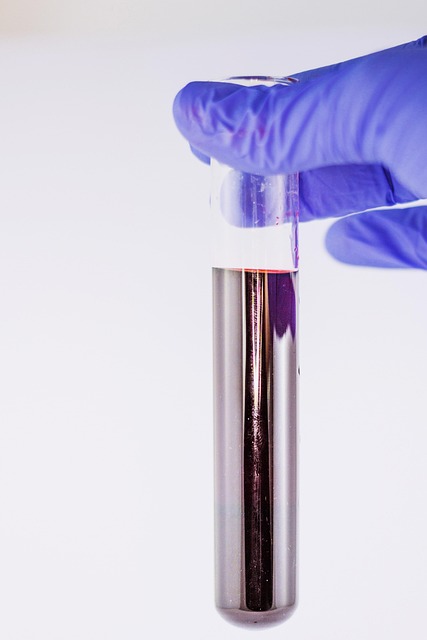
In the realm of long-term care, ensuring optimal health among residents is paramount. A crucial component of this involves comprehensive thyroid testing, as the thyroid gland's intricate role in metabolism and overall well-being often goes unnoticed yet significantly impacts aging adults. By employing advanced thyroid function test kits, care homes can proactively identify and manage thyroid imbalances that may otherwise remain undiagnosed.
Consider a resident experiencing subtle symptoms like fatigue, weight changes, or mood alterations—these could be early indicators of hypothyroidism or hyperthyroidism. A tailored thyroid panel, including tests for TSH, T3, T4, and thyroid antibodies, offers a detailed snapshot of thyroid function. For instance, a testosterone blood test in Derby might reveal deficiencies in men, while a menopause blood test in Coventry could identify elevated TSH levels in perimenopausal women, guiding targeted interventions. Similarly, a kidney blood test in Milton Keynes can be integrated to assess the impact of kidney health on thyroid regulation.
Experts advocate for regular screening, especially among individuals aged 60 and above, as age-related changes can affect thyroid function. Implementing these comprehensive tests as part of routine care enables timely identification of dysfunctions. Early detection allows for appropriate management, including hormonal replacement therapy or lifestyle adjustments, which have been shown to significantly improve quality of life. By integrating advanced diagnostic tools like thyroid function test kits, long-term care homes can foster a proactive approach to resident health, ensuring their well-being and longevity.
Selecting Effective Thyroid Function Test Kits

Long-term care homes play a critical role in managing the health of elderly residents, making it crucial to employ effective screening methods for underlying conditions like hypothyroidism or hyperthyroidism. Selecting comprehensive thyroid function test kits is an essential step in achieving accurate diagnoses and timely interventions. This process involves more than just choosing a random kit; it requires considering factors such as sensitivity, specificity, and the ability to detect subtle abnormalities. For instance, while a basic thyroid-stimulating hormone (TSH) test might suffice for initial screening, advanced kits that include measurements of free thyroxine (FT4), free triiodothyronine (FT3), and thyroperoxidase antibody (TPOAb) provide more detailed insights into thyroid health.
In the UK, where homes cater to diverse populations with varying health needs, specialized test kits can make a significant difference. For instance, in Manchester, healthcare professionals often incorporate vitamin B12 blood tests as part of their routine assessments due to high prevalence rates of deficiency among older adults. Similarly, in Coventry, diabetes blood tests are frequently performed to manage residents with this chronic condition, which can have thyroid implications. In Oxford, a combination of these and other tests like TSH, FT4, and TPOAb could be integral to a comprehensive annual screening program, given the region's focus on preventive care.
When selecting thyroid function test kits, homes should prioritize those validated for clinical use, with data supporting their accuracy and reliability. Regular calibration and quality control measures ensure consistent results, facilitating timely interventions and personalized care plans. Additionally, training staff in proper test administration and interpretation can enhance diagnostic accuracy. By adhering to these guidelines, long-term care homes can effectively leverage thyroid function test kits to optimize the health and well-being of their residents.
Implementing Results for Individualized Care

In the realm of long-term care, a holistic approach to resident health management is paramount. Comprehensive thyroid tests play a pivotal role in this strategy, offering insights into overall well-being and enabling tailored care plans. When integrating results from thyroid function test kits naturally into care protocols, healthcare professionals can uncover subtle yet significant changes in metabolism and hormone balance.
Consider the interplay between thyroid health and other common conditions, such as diabetes. A simple comparison to the Leicester diabetes blood test reveals potential connections—imbalances in thyroid hormones can impact glucose regulation. For instance, hypothyroidism may lead to insulin resistance, a key factor in type 2 diabetes. Similarly, examining full blood counts (FBCs) from Nottingham and Cambridge can provide additional context; abnormal red or white blood cell levels might indicate underlying thyroid disorders that require specialized attention. By correlating these findings, care providers can identify patterns and devise individualized strategies.
Implementing results effectively involves a strategic shift. Instead of treating symptoms in isolation, professionals should consider the thyroid as a central regulator of systemic balance. For example, a resident with anemia (a condition often associated with low thyroid function) might benefit from a personalized approach combining thyroid support with iron supplementation. This holistic perspective ensures that care plans are not just reactive but proactive, fostering a vibrant and healthy environment for residents over the long term. Regular monitoring using accessible thyroid function test kits can serve as an invaluable tool in this journey towards optimal health.
Enhancing Resident Well-being with Thyroid Monitoring

Long-term care homes play a vital role in enhancing the well-being of residents, many of whom may face complex health challenges. One often overlooked yet critical aspect of resident care is routine monitoring of thyroid function. The thyroid gland, a small butterfly-shaped organ at the base of the neck, produces hormones that regulate metabolism and influence nearly every cell in the body. Dysfunction can lead to a range of symptoms, from fatigue and weight gain to cardiovascular issues and cognitive impairment. Given the increasing prevalence of thyroid disorders, especially among older adults, comprehensive thyroid testing should be an integral part of long-term care strategies.
Thyroid function tests are essential for detecting both hyperthyroidism (overactive thyroid) and hypothyroidism (underactive thyroid), conditions that can significantly impact quality of life. For postmenopausal women, a menopause blood test in Coventry can identify thyroid issues related to hormonal changes. Similarly, men in Milton Keynes may benefit from male hormone blood tests to screen for thyroid dysfunctions that could be mistaken for low testosterone. Residents with diabetes in Leeds are also at higher risk; a diabetes blood test can reveal underlying thyroid problems that might require intervention.
To implement effective monitoring, care homes should utilize sensitive and specific thyroid function test kits that naturally measure key hormones like T3, T4, and TSH. Regular testing, perhaps quarterly or semiannually, depending on individual needs, can help identify subtle changes in thyroid function. Early detection allows for timely interventions, such as lifestyle modifications, medication adjustments, or referral to endocrinologists. By prioritizing thyroid health, care homes foster a more holistic approach to resident care, ensuring not just physical but also cognitive and emotional well-being.
By thoroughly reviewing and implementing comprehensive thyroid tests, long-term care homes can significantly enhance resident well-being. Understanding thyroid health is paramount for optimizing overall health in this population. The article highlights the crucial role of thorough testing, emphasizing that a single test may not suffice. Selecting effective thyroid function test kits is key; these tools enable precise diagnosis and tailored care plans. Implementing results requires a strategic approach to individualize treatment, ensuring each resident receives optimal care. Ultimately, regular monitoring via thyroid function test kits becomes a cornerstone for maintaining and improving the health of residents in long-term care settings.