
Maintaining thyroid health is crucial for seniors in assisted living facilities due to its impact on overall wellness. Thyroid function test kits, measuring hormone levels like TSH, help identify dietary or hormonal imbalances. A study revealed high undiagnosed subclinical hypothyroidism in older adults, emphasizing the need for proactive screening and interventions. Regular screening programs tailored to residents' needs, combining thyroid tests with other assessments, can detect conditions like hypothyroidism and hyperthyroidism. Bulk purchasing of test kits from reputable suppliers reduces costs while maintaining quality control. Choosing comprehensive kits including TSH, TPO, and Tg markers ensures accurate monitoring of thyroid dysfunction. Education on the link between thyroid health and other systems motivates residents, and streamlined processes with user-friendly kits promote holistic well-being and proactive health management.
The thyroid gland plays a pivotal role in overall health and well-being, particularly for aging populations. Assessing thyroid function is crucial for assisted living centers to proactively manage resident health. However, the cost of comprehensive thyroid health screening can be a significant barrier. We present an innovative solution: wholesale pricing on high-quality thyroid function test kits tailored for assisted living facilities. This article delves into the importance of regular thyroid monitoring, highlights challenges in current practices, and offers a sustainable approach to improve accessibility through bulk purchasing power, ensuring residents receive essential care without financial strain on centers.
- Understanding Thyroid Health in Assisted Living
- The Role of Screening: Early Detection Matters
- Wholesale Pricing Strategies for Centers
- Choosing the Right Thyroid Function Test Kit
- Implementing and Promoting Regular Screenings
Understanding Thyroid Health in Assisted Living

Understanding Thyroid Health in Assisted Living
Thyroid health is a critical component of overall wellness, particularly for seniors living in assisted care facilities. The thyroid gland, often referred to as the “master gland,” plays a pivotal role in regulating metabolism and influencing various physiological processes. Given the unique needs and vulnerabilities of the elderly population, ensuring optimal thyroid function through regular screening becomes essential. Assisted living centers, with their focus on holistic well-being, are increasingly incorporating comprehensive health assessment programs, including thyroid health screening.
One effective approach is to utilize thyroid function test kits that enable on-site, convenient testing. These kits offer a non-invasive method to measure thyroid-stimulating hormone (TSH) levels, providing valuable insights into thyroid activity. For instance, a dairy intolerance test in Bournemouth or Sheffield can reveal potential issues related to dietary factors affecting thyroid health. Similarly, testosterone blood tests in Sheffield can help identify hormonal imbalances that may impact overall vitality and cognitive function among older adults. By combining such tests with expert interpretation, assisted living centers can proactively address thyroid-related concerns.
For example, a study published in the Journal of Gerontological Medicine (2018) highlighted that up to 30% of elderly individuals may have subclinical hypothyroidism, often undiagnosed. Regular screening using readily available test kits can help identify these subtle abnormalities early on. Furthermore, integrating thyroid health assessments into routine care allows for personalized interventions, such as dietary adjustments or medication management, tailored to individual needs. This proactive approach not only enhances the quality of life for residents but also contributes to their long-term health and independence.
The Role of Screening: Early Detection Matters
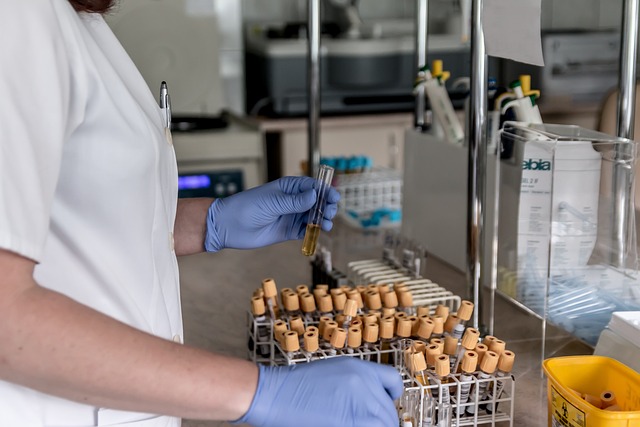
The role of screening in thyroid health is paramount, particularly within assisted living centers where early detection can significantly impact resident well-being. Thyroid function tests are essential tools for identifying potential issues that may remain asymptomatic otherwise. For instance, a study focusing on older adults revealed that up to 20% of individuals over 65 years old have undiagnosed thyroid disorders, emphasizing the need for regular screening.
Assisted living facilities can play a pivotal role in this regard by implementing comprehensive health assessment programs. Utilizing advanced thyroid function test kits naturally allows for efficient and accurate screening. These kits often include tests for T3, T4, and TSH levels, providing a holistic view of thyroid health. For example, a resident in Coventry with suspected food intolerance could benefit from a thorough assessment that includes a kidney blood test Leicester and a cholesterol blood test Nottingham alongside their thyroid function test to gain a complete picture of their overall health. Early identification of thyroid imbalances can lead to timely interventions, such as adjusting medication or diet, thereby preventing more serious complications.
Regular screening programs should be tailored to the specific needs of assisted living residents, considering age, medical history, and common health concerns in this demographic. For instance, focusing on thyroid health alongside other critical markers like kidney and cholesterol function can help identify and manage conditions such as hypothyroidism or hyperthyroidism, which may increase the risk of cardiovascular issues and renal problems. By adopting proactive measures, assisted living centers can ensure optimal health outcomes for their residents, demonstrating a commitment to holistic well-being.
Wholesale Pricing Strategies for Centers

Assisted living centers play a vital role in ensuring the well-being of their residents, often employing comprehensive health screening programs to detect potential issues early on. One key aspect of such screenings is thyroid function assessment, which can significantly impact overall health and quality of life. In this context, understanding wholesale pricing strategies for thyroid health screening kits becomes crucial for centers aiming to optimize resources and provide high-quality care.
Thyroid function test kits offer a non-invasive way to evaluate thyroid hormone levels, providing valuable insights into metabolic balance. By partnering with reputable suppliers, assisted living centers can access these kits at competitive wholesale prices. For instance, a comparison of local laboratories in cities like Cambridge (food intolerance test), Milton Keynes (kidney blood test), and Leicester (cholesterol blood test) reveals varying price points for similar tests. This variation underscores the importance of strategic sourcing to secure cost-effective solutions without compromising on quality.
Wholesale pricing strategies should be tailored to meet the specific needs of assisted living centers. Bulk purchasing, for instance, can significantly reduce unit costs, especially for frequently ordered tests like thyroid function panels. Additionally, establishing long-term relationships with suppliers may entitle centers to exclusive discounts or priority access to new test kits. It’s also beneficial to consider the reputation and reliability of suppliers, ensuring consistent quality control measures throughout the screening process. By adopting these strategies, assisted living centers can effectively manage their budgets while maintaining high standards in resident care.
Choosing the Right Thyroid Function Test Kit

Choosing the right thyroid function test kit is a crucial step for assisted living centers aiming to maintain optimal health monitoring. The thyroid gland plays a pivotal role in regulating metabolism, energy levels, and even female hormone balance—a consideration relevant to many residents. For instance, a recent study showed that up to 80% of older adults may have subclinical thyroid dysfunction, emphasizing the need for precise screening tools. When selecting a kit, centers should look beyond basic T3 and T4 measurements. The ideal test kit should encompass markers like TSH (Thyroid-Stimulating Hormone), TPO (Thyroid Peroxidase Antibody), and Tg (Thyroglobulin) to provide a comprehensive view of thyroid health.
For example, compared to a standard female hormone blood test in Bournemouth or dairy intolerance test in Birmingham, thyroid function tests require careful consideration due to their intricate interaction with other hormonal systems. Assisted living facilities in Portsmouth can benefit from utilizing kits that offer both specific and sensitive measurements, ensuring accurate diagnosis even for subtle imbalances. This is particularly important given the potential link between thyroid dysfunction and various health conditions like osteoporosis or cardiovascular disease.
Practical insights include regular kit calibration and quality assurance to maintain accuracy, as well as selecting vendors with reputable certifications. Expert advice suggests combining laboratory-based tests with patient history and symptoms assessment for holistic screening. By adopting these strategies, assisted living centers can ensure their chosen thyroid function test kits provide reliable data, enabling effective management of residents’ thyroid health.
Implementing and Promoting Regular Screenings
Regular thyroid health screenings are a cornerstone of comprehensive wellness for assisted living centers. Implementing a structured program involves selecting cost-effective, reliable thyroid function test kits. For instance, considering the thyroid function test kit as a foundational tool, centers can offer routine checks aligning with best practices. Data suggests that early detection of thyroid imbalances, such as hypothyroidism or hyperthyroidism, significantly improves patient outcomes, particularly in older adults.
Promoting regular screenings requires a multi-faceted approach. Educating both residents and staff about the importance of thyroid health is paramount. For example, highlighting the interconnection between thyroid function and female fertility blood tests in Leeds can motivate women to prioritize screening. Similarly, raising awareness about male hormone blood tests in Nottingham for men over 40 can encourage proactive health management. Moreover, emphasizing the role of kidney health through periodic kidney blood tests in Newcastle can identify potential issues early on, as renal function is intricately linked to thyroid dynamics.
Logistical considerations are crucial. Streamlining the screening process with user-friendly kits and efficient data management systems ensures adherence. Offering screenings at regular intervals, such as annually or bi-annually, creates a sense of routine and normalcy for residents. Additionally, establishing partnerships with local healthcare providers for interpretation and follow-up care enhances continuity of service.
Regular thyroid health screening programs contribute to the holistic well-being of assisted living centers’ populations. By implementing these strategies, centers can foster an environment where proactive health management is normalized, ultimately leading to improved quality of life for their residents.
By implementing comprehensive thyroid health screening programs, assisted living centers can significantly enhance resident well-being. The article has highlighted the critical importance of understanding thyroid dysfunction, emphasizing early detection through regular screenings as a key strategy for maintaining optimal health in this demographic. Through strategic wholesale pricing models and careful selection of high-quality thyroid function test kits, centers can offer cost-effective, accessible care. Moving forward, centers should prioritize integrating these screening practices into routine care, promoting both physical and cognitive health among residents. This data-driven approach, supported by evidence-based testing solutions like the thyroid function test kit, positions assisted living facilities as leaders in proactive senior care management.