Thyroid imbalances affect millions and are caused by factors like autoimmune disorders or overactive thyroids. Symptoms include fatigue, weight changes, and irregular periods. Thyroid function test kits help recognize these signs and determine optimal thyroid function. Accurate kits measuring T3, T4 hormones, and thyrotropin (TSH) levels are essential for comprehensive assessment. Large-scale screening requires a systematic process, from explaining the test to participants to interpreting results accurately. Understanding TSH levels within kit reference intervals aids in diagnosing conditions like hypothyroidism or hyperthyroidism, leading to personalized treatment plans including dietary adjustments and supplements.
“Unraveling thyroid imbalances is a critical step towards optimizing health, especially in large communities. This comprehensive guide explores practical methods to identify and address these issues using accessible thyroid function test kits. By understanding common causes and symptoms of thyroid disorders, you can effectively administer tests in group settings, interpret results, and develop tailored treatment plans. Empower yourself with knowledge on how to choose the right test kit and ensure accurate assessments for better collective health outcomes.”
- Understanding Thyroid Imbalances: Causes and Symptoms
- Choosing the Right Thyroid Function Test Kit
- Administering Tests: Step-by-Step Guide for Large Groups
- Interpreting Results and Creating Personalized Treatment Plans
Understanding Thyroid Imbalances: Causes and Symptoms

Thyroid imbalances affect millions, and understanding their causes is key to effective management. The thyroid gland, located at the base of the neck, plays a pivotal role in regulating metabolism. Imbalances can arise from various factors, including autoimmune disorders like Hashimoto’s disease, where the immune system attacks thyroid tissue, leading to hypothyroidism.
Hyperthyroidism, on the other hand, results from an overactive thyroid, often caused by conditions such as Graves’ disease. Symptoms of thyroid imbalances vary but typically include fatigue, weight changes, altered appetite, irregular periods in women, and increased sweating. Recognizing these signs is crucial, and a thyroid function test kit can be a convenient way to assess thyroid health. Individuals with suspected imbalances should consult healthcare professionals who can interpret results and recommend appropriate treatments, including lifestyle adjustments or medication, to restore optimal thyroid function. Additionally, being aware of thyroid cancer risk factors is essential for early detection. Prompt action when considering when to take a thyroid test can lead to better outcomes and improved quality of life.
Choosing the Right Thyroid Function Test Kit
When selecting a thyroid function test kit for large-scale screening, it’s crucial to choose one that provides accurate and reliable results. Look for kits that measure both T3 and T4 thyroid hormones, as well as thyrotropin (TSH) levels, offering a comprehensive assessment of thyroid health. These tests are essential tools for identifying imbalances in the body’s metabolic regulator.
Consider using kits that align with the normal TSH range chart, which serves as a guideline for interpreting test results. By ensuring accurate measurements, you can effectively identify individuals with potential thyroid issues and offer tailored solutions, including natural thyroid pain relief remedies, to promote overall wellness within your group.
Administering Tests: Step-by-Step Guide for Large Groups
When conducting thyroid function tests on large groups, a clear and systematic approach is essential to ensure accurate results. Start by explaining the purpose of the test to participants, emphasizing its importance in understanding their thyroid health. Provide each participant with a thyroid function test kit, ensuring it includes all necessary components for an efficient and precise assessment.
Here’s a step-by-step guide:
1. Instruct Participants: Educate the group about the testing process, including what samples are required (e.g., blood or saliva) and how to collect them accurately.
2. Distribute Kits: Hand out the test kits, ensuring everyone receives one with clear instructions. Include a checklist of items needed for the test to avoid any confusion.
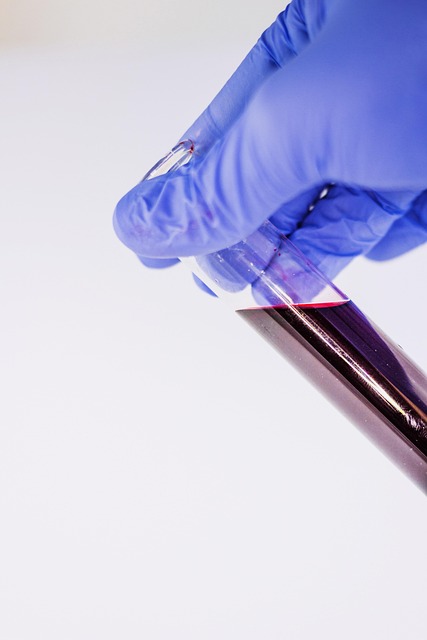
3. Collect Samples: Guide participants through the collection process, offering assistance if needed. For blood tests, provide sterile needles and proper collection techniques. For saliva tests, ensure individuals follow the kit’s guidelines for optimal sample quality.
4. Return Kits: Collect the completed kits and ensure they are sealed properly to maintain sample integrity. Proper handling and timing are crucial for accurate results.
5. Analyze Results: Utilize reliable testing methods, whether that’s in-house labs or external facilities specializing in autoimmune thyroid disease diagnosis and long-term thyroid monitoring. Interpret the data, identifying any imbalances and suggesting appropriate measures, including recommendations for thyroid supplements for women (or men) as necessary.
Interpreting Results and Creating Personalized Treatment Plans
Interpreting test results is a crucial step in addressing thyroid imbalances effectively. Thyroid function test kits provide valuable insights into the body’s hormone production, helping to diagnose conditions like hypothyroidism or hyperthyroidism. When analyzing the data, pay close attention to TSH (Thyroid-Stimulating Hormone) levels, which play a critical role in regulating thyroid activity. Normal ranges vary slightly based on age and gender, so ensure you understand the specific reference intervals for your test kit.
Once the results are clear, tailored treatment plans can be created. For example, if an individual is found to have hypothyroidism, their personalized approach may include adjusting dietary intake with more iodine-rich foods, incorporating targeted supplements, and potentially starting thyroid medication to restore hormone balance. Similarly, for hyperthyroidism, treatments might involve reducing intake of stimulating substances, adopting lifestyle changes, and monitoring the impact through regular follow-up tests to ensure the right dose of medication is maintained. This personalized approach ensures that each individual receives the most suitable care for their specific thyroid imbalance, considering factors like underlying autoimmune thyroid disease diagnosis and ongoing thyroid medication monitoring.
Thyroid imbalances can significantly impact large groups, but with the right tools and knowledge, these issues can be effectively addressed. By utilizing specialized thyroid function test kits, communities can efficiently identify and treat various thyroid-related disorders. The step-by-step guide provided offers a practical approach to administering tests in large settings, ensuring accurate results and personalized treatment plans tailored to individual needs. Empowered with this knowledge, folks can take control of their health and navigate the path to optimal thyroid function.